

Celebrating Vietnam’s Science, Technology and Innovation Day on May 18th
On May 18, 2026, the country observes its major tech holiday under a newly broadened title: Vietnam Science, Technology, and Innovation Day. Coupled with the official mandate, “Science, technology, innovation, and digital transformation—The main driving force of the new growth model,” the day marks a structural shift in how the nation views its intellectual capital. It is no longer just about observing science, but about operationalizing it.
At the Vietnam Aviation Academy (VAA), this national transition is not an abstract policy memo—it is a daily reality. Faculty and students here are looking back on a year of intense effort, watching ideas cross the threshold from classroom theory into the practical machinery of a rapidly modernizing aviation sector.
The roots of this week’s celebrations trace back over six decades to a very different Vietnam. On May 18, 1963, President Ho Chi Minh stood before the First National Congress of the Vietnam Society for the Diffusion of Science and Technology—the early blueprint for today’s scientific associations—to deliver a clear mandate to the country’s nascent intellectual class: knowledge must serve the people and elevate the nation’s industry.
Fifty years later, in June 2013, the 13th National Assembly formalized that legacy by passing the Law on Science and Technology, designating May 18 as an annual day of national recognition.
But as the global economy pivoted toward automation and artificial intelligence, the old frameworks required an update. Under a revised law that took effect in October 2025, the occasion was pointedly renamed to include Innovation. Over the last thirteen years, what began as a series of modest domestic gatherings has ballooned into a nationwide festival spanning hundreds of thousands of events. It has evolved into a high-stakes showcase aimed at honoring researchers, unveiling commercial-ready tech, and convincing the younger generation that the future of national development lies in homegrown ingenuity.
Inside the labs of VAA, that mandate has taken a distinctly hands-on form.
For the faculty and students at VAA, innovation has become a matter of routine, woven into the fabric of their academic year.
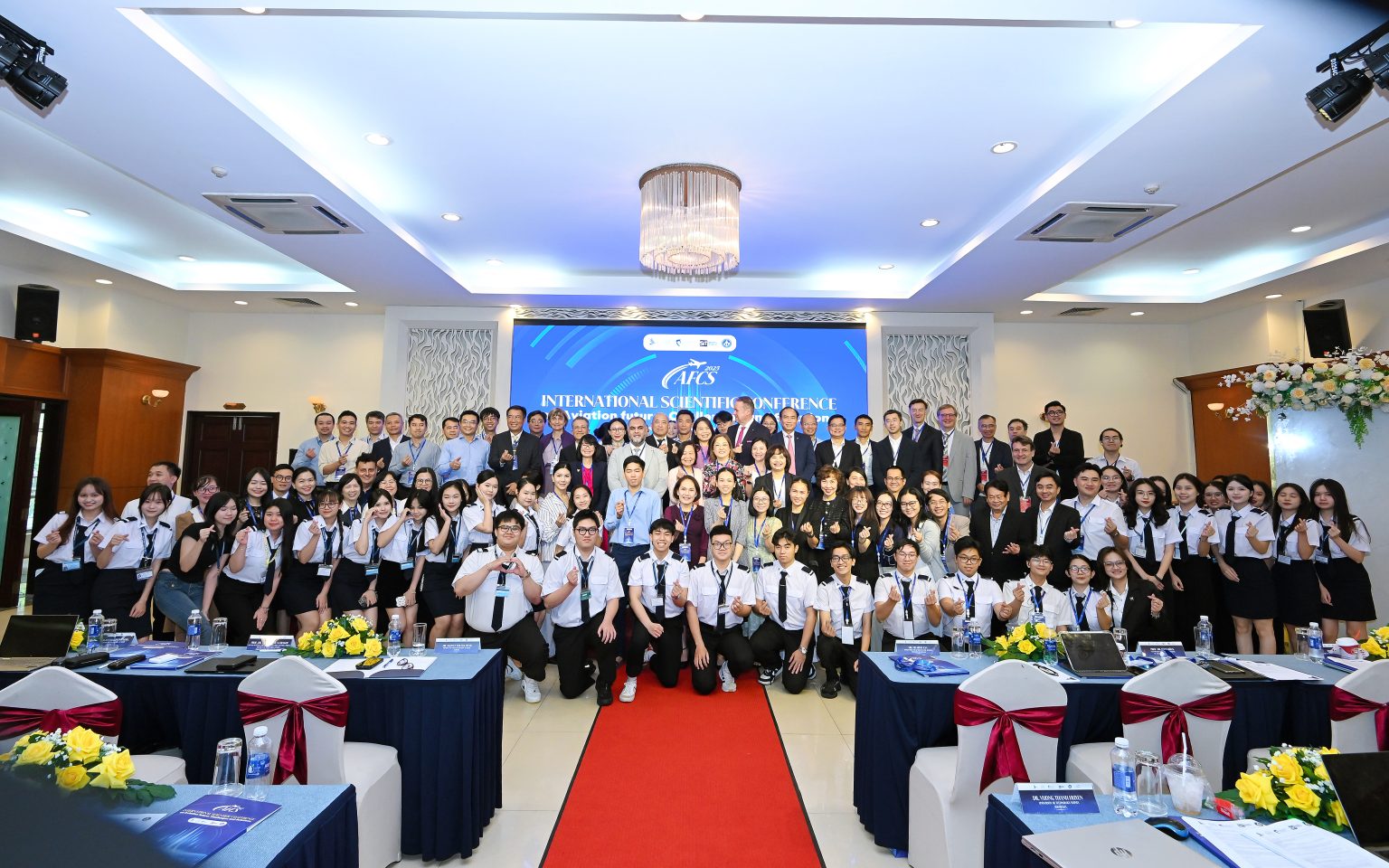
AFCS 2025
The academy has steadily expanded its footprint as a regional intellectual hub, convening specialized forums to dissect the future of the industry. The recent FTAS 2026 Scientific Conference pushed researchers to examine the intersection of tourism, hospitality, and aviation infrastructure. This followed a multi-year run of the International Conference on the Future of Aviation (AFCS) from 2022 through 2025, alongside bilateral seminars that have sent VAA thinkers to the French Republic to study advanced transit systems.
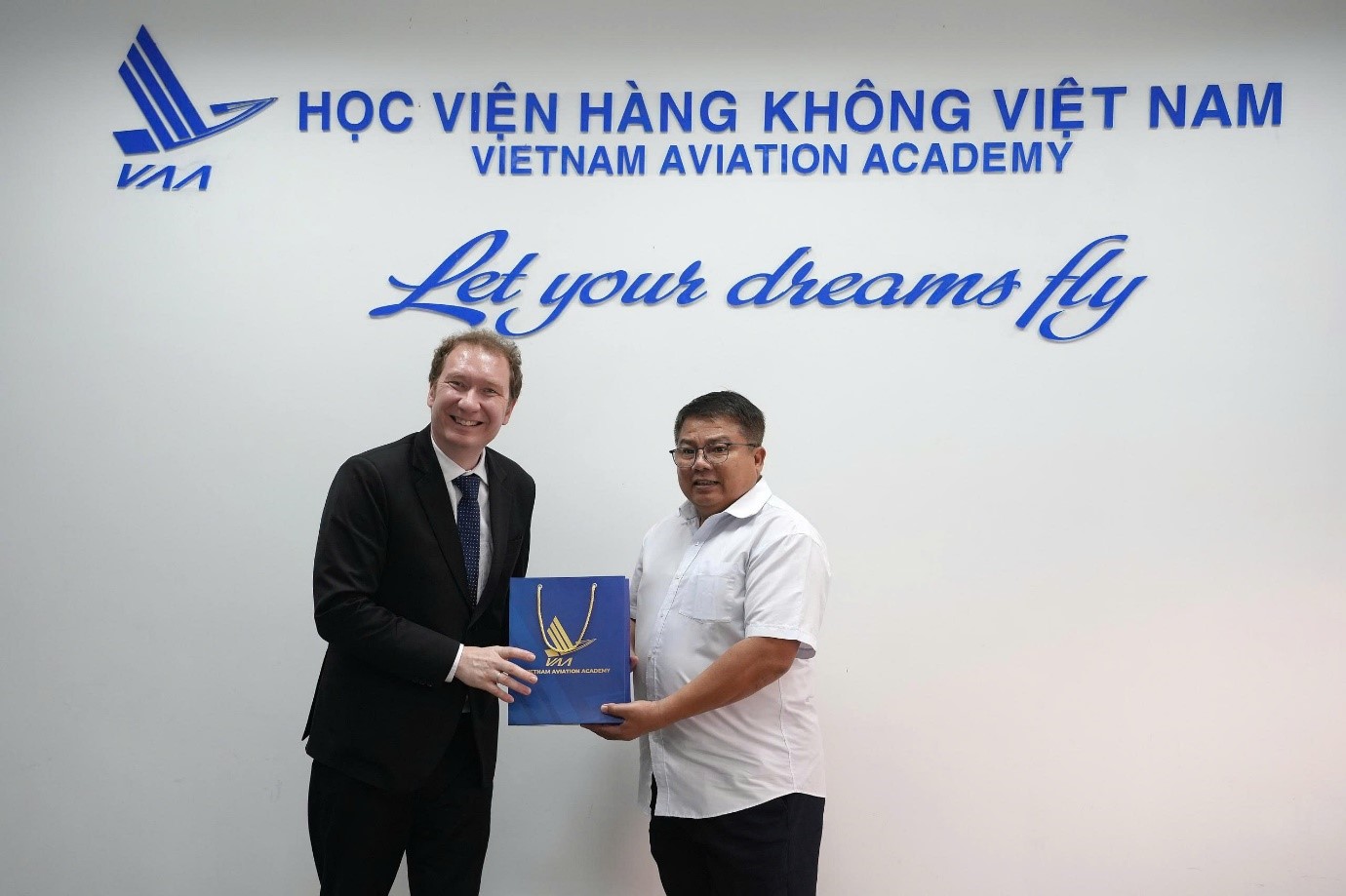
In March 2026, Assoc. Prof. Dr. Tran Hoai An met with Dr. Miroslav Voznak, Director of the INDRC Institute, cementing VAA’s role in CLARA, a high-profile international research project focused on Artificial Intelligence and Big Data with the Czech Republic. To bridge the gap between global theory and local practice, the academy has partnered with private tech firms to integrate AI tools directly into its curriculum, ensuring students are literate in the automation transforming global logistics.
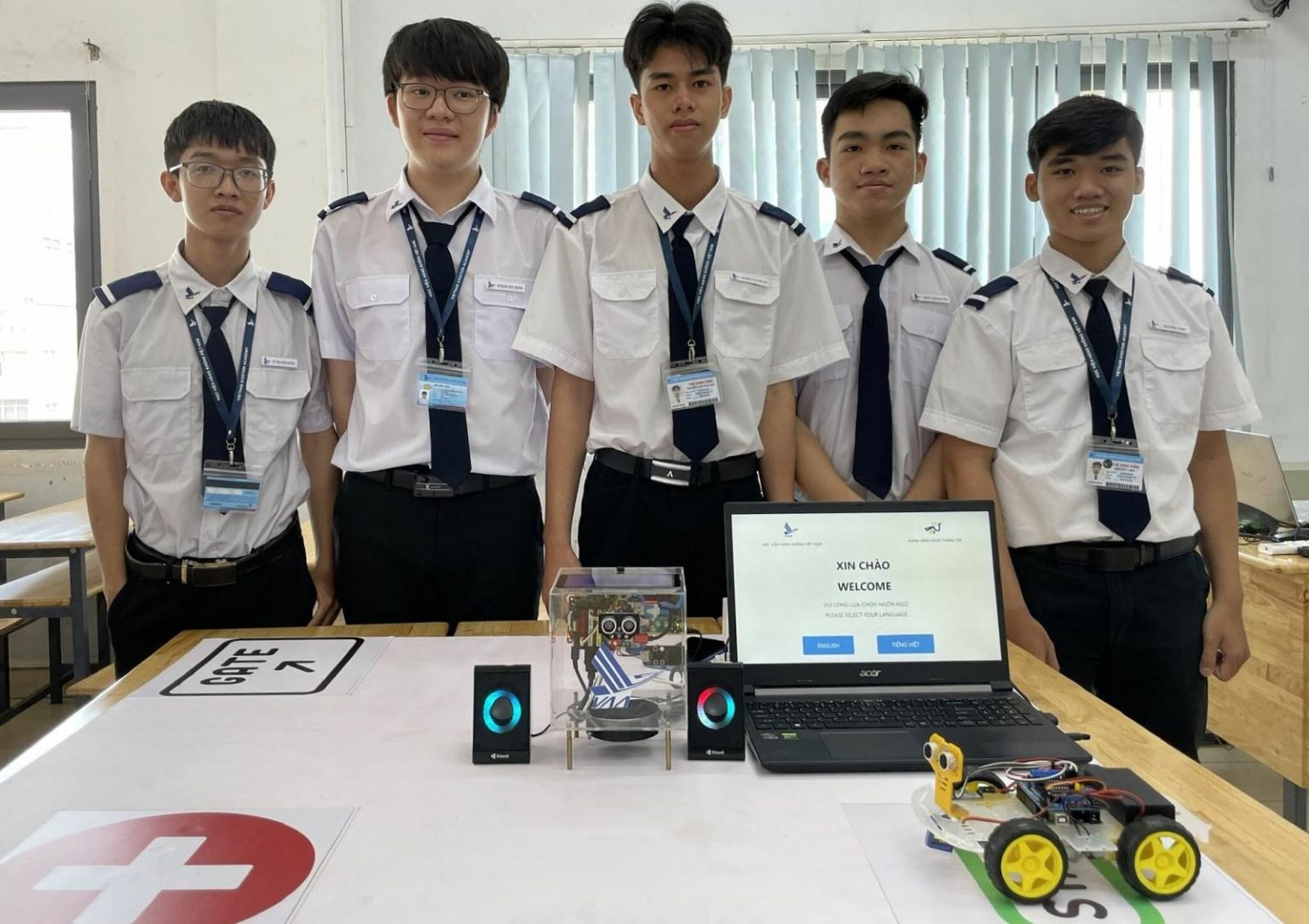
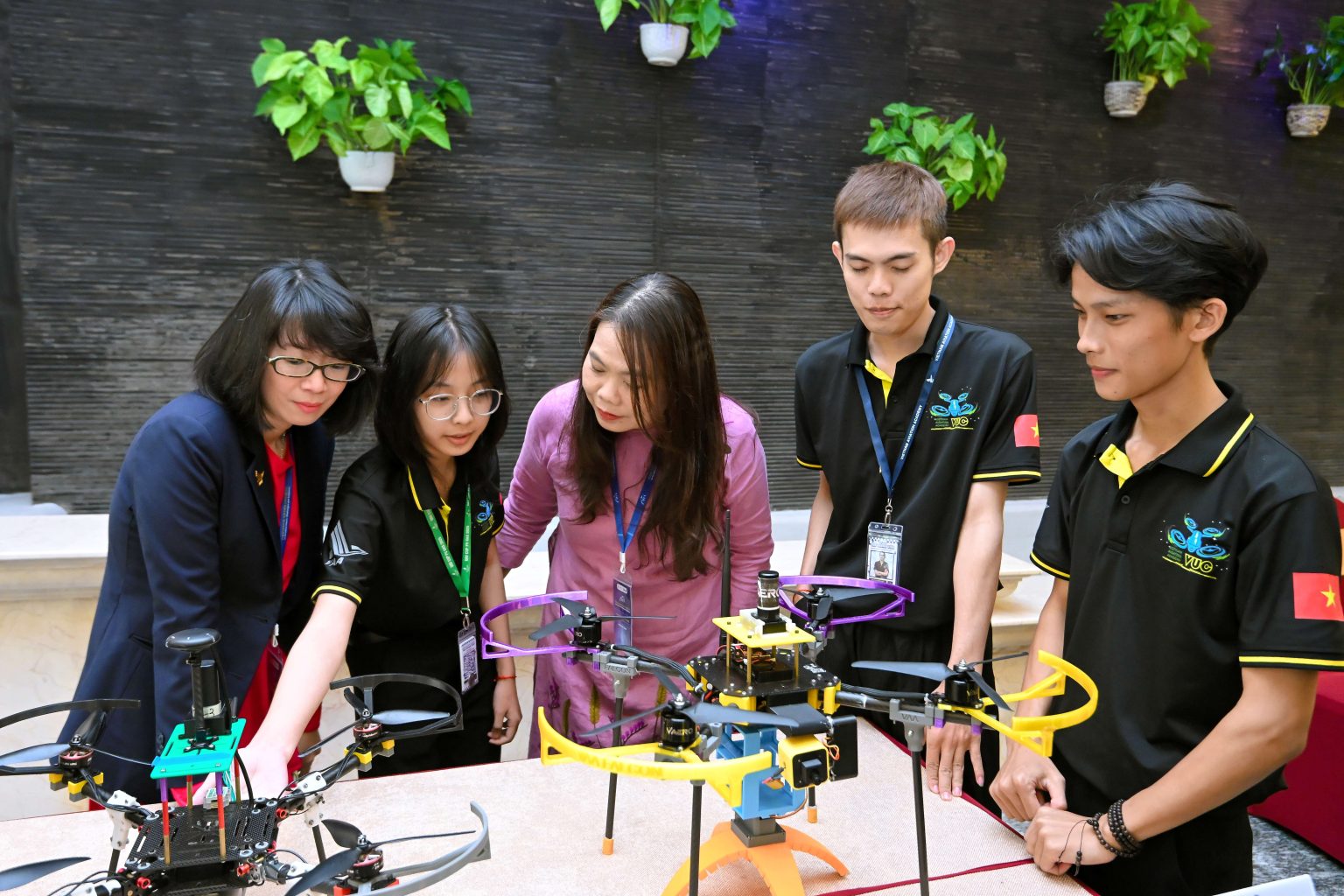
That pragmatic approach is visible in the physical prototypes built on campus. Recently, a team of VAA undergraduates designed and fabricated a modular, intelligent terminal box. Designed to be deployed across high-traffic airport environments, the hardware allows passengers to seamlessly map boarding gates, locate amenities, and retrieve real-time flight data.
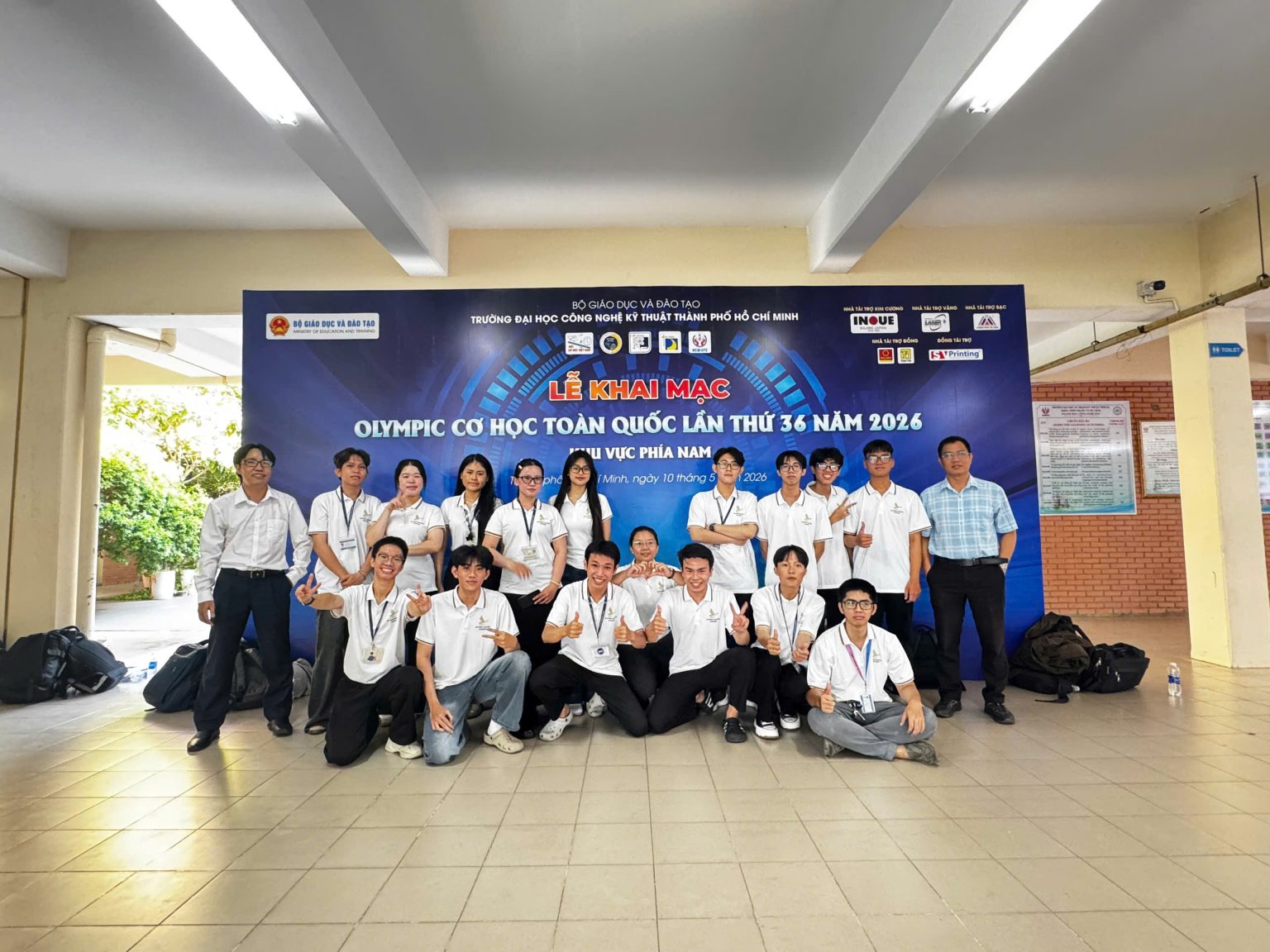
Concurrently, the campus sent two separate teams to compete in the rigorous 36th National Mechanics Olympiad, while student developers built and launched a digital “Event and Training Day Management Website System”—a homegrown software solution that digitized the university’s internal student-tracking and bureaucratic pipelines.
The Journal of Aviation Science and Technology (JAST) officially cleared the benchmark for inclusion in the national standard scientific journal directory this year.
As May 18 arrives, the focus turns to the people behind the projects. The progress celebrated this week belongs to the instructors, administrators, and students at the Vietnam Aviation Academy who quietly balance the demands of daily education with the grueling, often thankless work of research.
The ultimate goal remains unchanged: to ensure that the creative momentum built inside these classrooms continues to scale, providing the critical intellectual infrastructure needed to keep both the domestic aviation sector and the country moving forward.
KHCN&HTQT


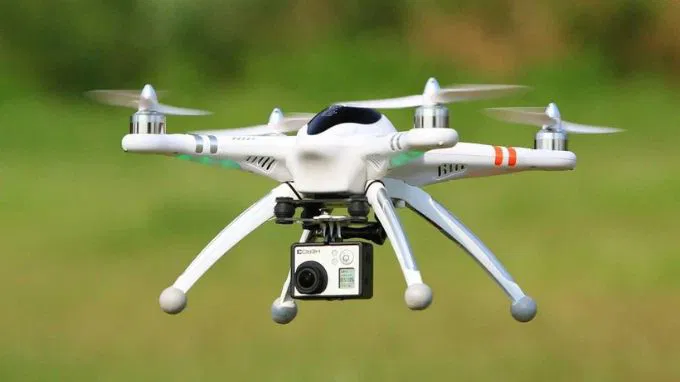
What is a UAV? What is a drone? What is the difference between UAV and drone?


Vietnam Aviation Academy compiled national standards on ground radio navigation aid systems
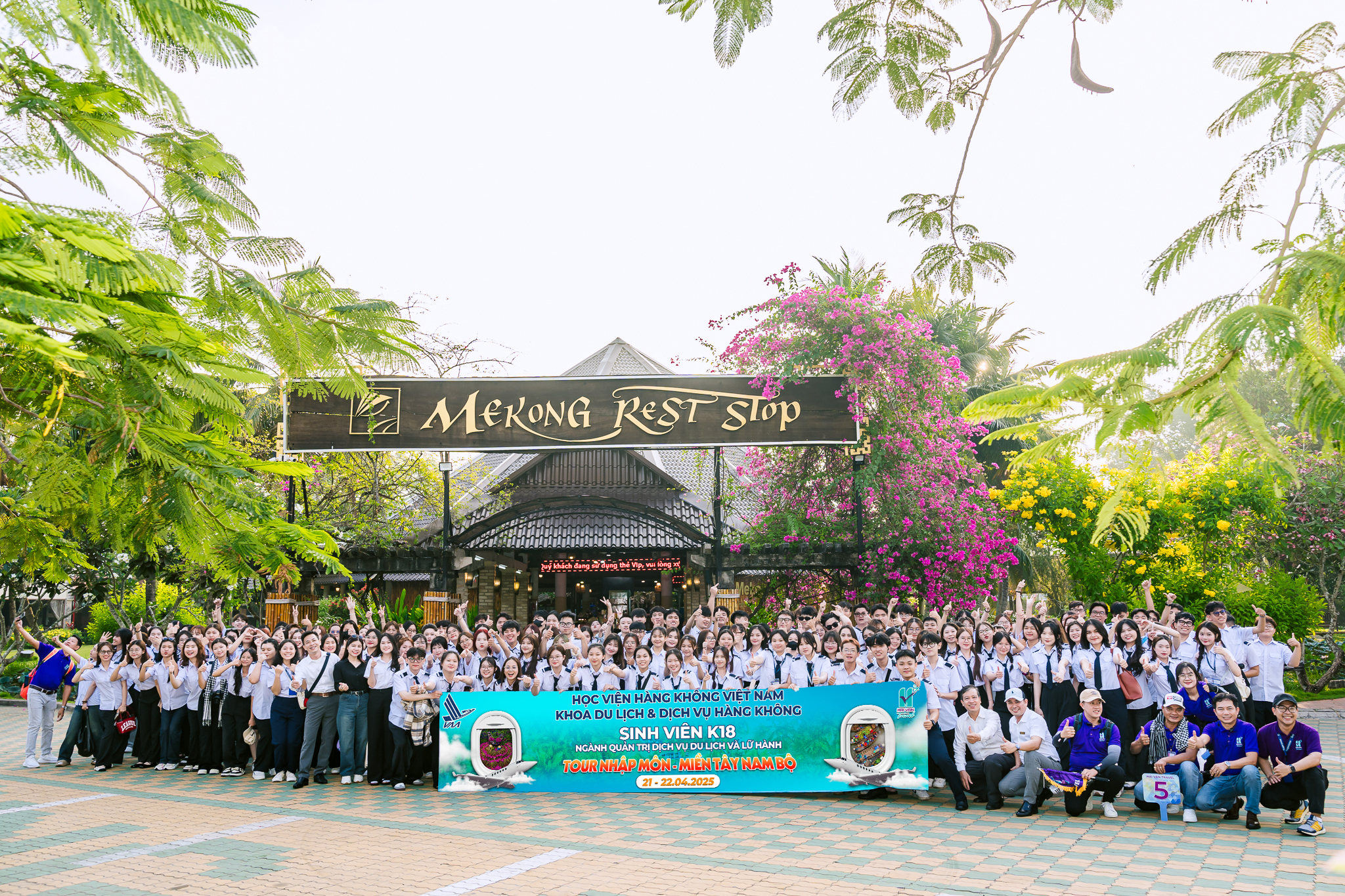
EXPLORING THE MEKONG DELTA: A TWO-DAY ONE-NIGHT JOURNEY
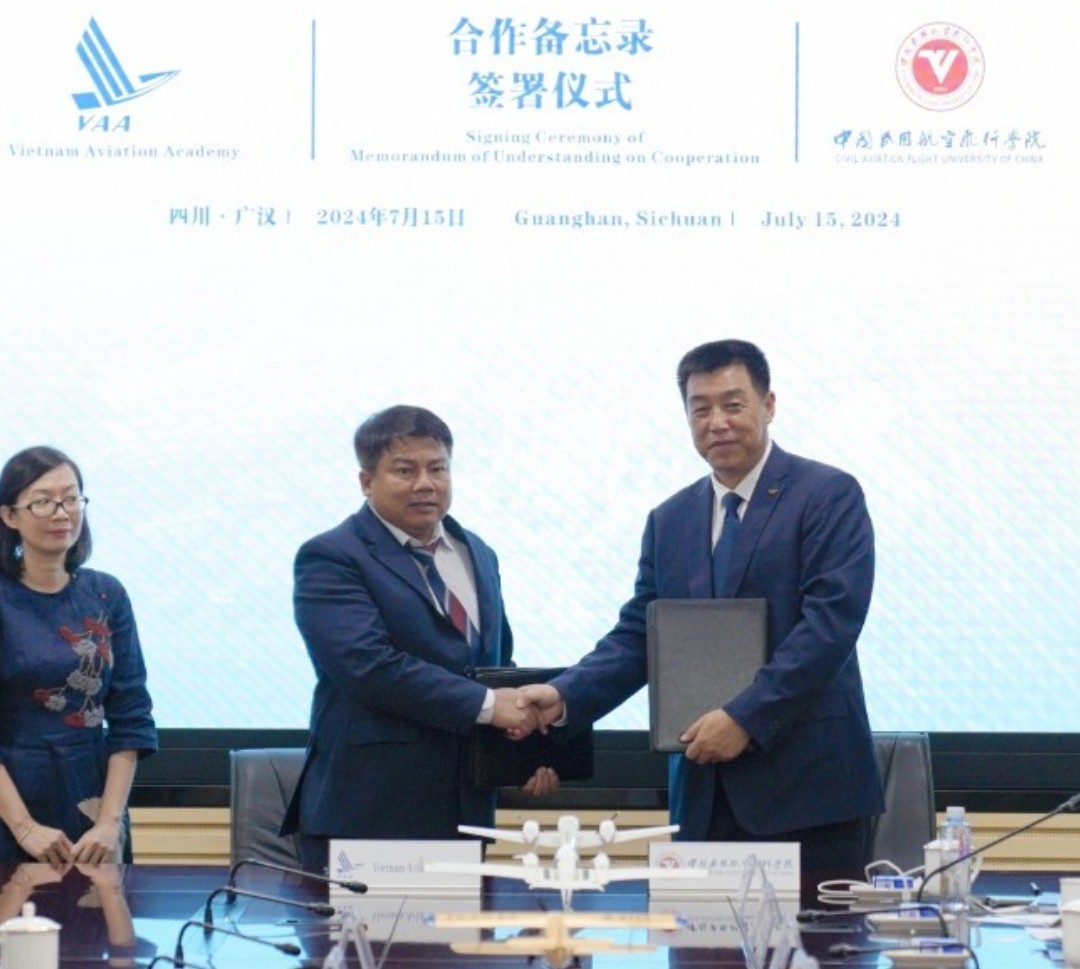
VIETNAM AVIATION ACADEMY HAS SIGNED A COOPERATION AGREEMENT WITH CIVIL AVIATION FLIGHT UNIVERSITY OF CHINA

The Impact of Artificial Intelligence on the Global Economy: An Ongoing Revolution

Degree verification
Check now