
General Objectives
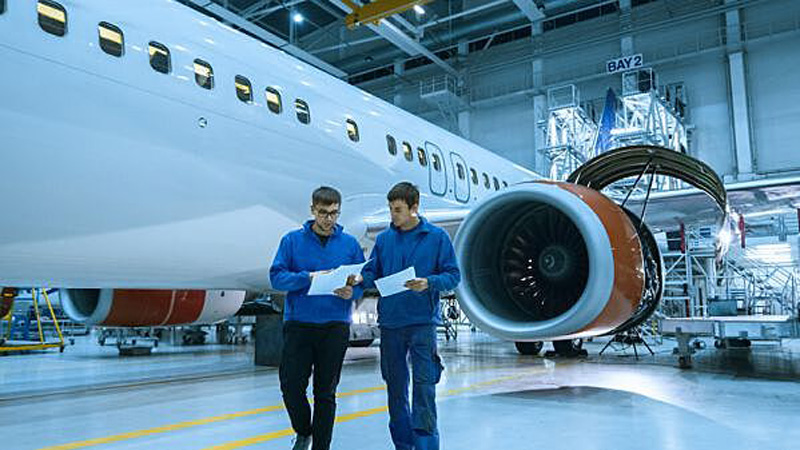
The Master's Training Program in Aeronautical Engineering is designed with the aim of training high-level aviation experts and engineers, equipping learners with in-depth technical knowledge and advanced management skills. The training content focuses on developing scientific research capabilities and creative innovation, encouraging learners to apply new scientific and technical achievements to solve practical problems in the industry. At the same time, the program emphasizes enhancing international integration capabilities and specialized foreign language proficiency, helping learners meet the requirements of working in a globalized environment. With a comprehensive training approach, the program aims to build a high-quality human resource base for the aviation industry, meeting the requirements for sustainable development and international integration in this field. The general objectives of the master's training program are as follows:
Knowledge: The program equips learners with a system of in-depth and interdisciplinary knowledge in the field of aeronautical engineering, including principles of aerodynamics, structures, propulsion systems, control, and aircraft operations, among others. Learners are exposed to international technical standards, modern technologies, and interdisciplinary integration methods to effectively apply them in research, design, maintenance, and management of aviation systems within the context of industrial development and innovation.
Personal and professional skills: The program aims to develop core professional skills in learners, such as systems thinking, technical analysis, design and simulation of aviation technology; while also honing skills in using specialized tools, engineering project management, teamwork, professional communication, and a professional working style in modern industrial and internationally integrated environments.
Autonomy and responsibility: The program cultivates learners' independent thinking, creativity, and lifelong self-learning abilities; while also fostering a sense of professional responsibility, engineering ethics, and awareness of compliance with professional standards in industrial and social environments. Learners are encouraged to actively research, propose solutions, and make decisions scientifically, appropriate to the practical context and global development trends.
Specific Knowledge Objectives
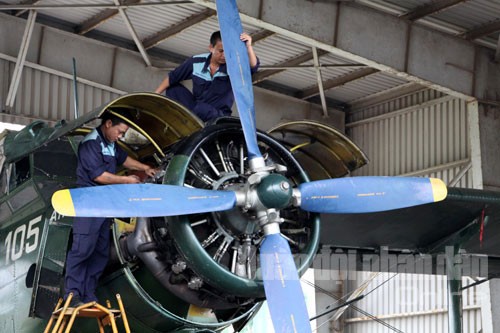
1. Master and deeply develop knowledge in the field of aeronautical engineering: Learners are capable of understanding, analyzing, proficiently applying, and conducting advanced research on core principles, theories, and specialized methods such as aerodynamics, flight mechanics, structural materials and aircraft structural analysis, propulsion systems (aero-engines), flight control and automatic control systems, as well as maintenance, repair, and aircraft technical management technologies in scientific research, design development, advanced technology application, operational performance optimization, and aviation system management.
2. Access and apply interdisciplinary knowledge in the aerospace field: Learners are capable of integrating and creatively applying knowledge from mechanical engineering, electrical and electronics, automation, information technology, and other related fields to analyze and solve complex, multi-dimensional technical problems; propose optimization solutions, innovative designs, operations, maintenance, and development of modern aerospace systems, meeting the requirements of scientific research and practical application.
3. Apply knowledge of technical standards and quality management processes: Learners are capable of critically analyzing, evaluating, integrating, and applying international technical standards (such as ICAO, EASA, FAA), aviation safety regulations, inspection, maintenance, quality management, and aircraft technical certification procedures according to global practices; while also proposing improvements, optimizing processes, and ensuring compliance in research, design, operation, maintenance, and modern aeronautical engineering project management, meeting the requirements of scientific research and practical application.
4. Acquire and develop new knowledge in the context of advanced technology: Learners are capable of proactively updating, thoroughly analyzing, evaluating, and creatively integrating emerging technologies such as digital twins, big data, artificial intelligence (AI), machine learning, advanced composite material technologies, and sustainable green technologies to research, develop, simulate, optimize design, operate, maintain, and manage modern aerospace engineering systems; while also proposing innovative solutions, mitigating risks, enhancing performance and safety, and meeting the requirements of scientific research, digital transformation of the aviation industry, and practical application.

Specific Objectives for Personal and Professional Skills
1. Proficiently and independently conduct research and solve technical problems in the aviation field: Learners demonstrate a high level of autonomy in identifying, analyzing, evaluating, and proposing creative, optimal solutions to multi-dimensional, complex technical issues in the aerospace engineering field, including scientific research, technology development, and practical applications.
2. Develop systems thinking, analytical synthesis, and creative application of knowledge in research and practice: Learners are capable of analyzing, synthesizing, evaluating, and proficiently applying accumulated knowledge to solve practical problems, propose innovative solutions, and optimize aviation engineering systems in research, design, development, and project management environments.
3. Enhance professional communication skills, multidisciplinary teamwork, and leadership: Learners are capable of effectively communicating specialized knowledge through presentations, technical report/thesis writing, and discussions; effectively coordinating and leading teams in multidisciplinary, multicultural, and multinational environments, meeting the requirements of global aviation research cooperation and projects.
4. Master specialized tools, foreign languages, and develop professional ethics: Learners proficiently use advanced tools and software (CFD, FEM, CAD/CAM, maintenance management software, digital simulation, AI/big data); proficiently use foreign languages in research, international conferences, and specialized documentation; while also cultivating a professional working style and strong professional ethics, with aviation safety and adherence to international standards (ICAO, EASA, FAA) as core principles, demonstrating responsibility, discipline, and integrity in all research and application activities.

Specific Objectives for Autonomy and Responsibility
Autonomy and responsibility: Learners are capable of working independently, proactively proposing and implementing technical solutions or conducting in-depth research; while also demonstrating a strong sense of professional responsibility, adhering to ethical standards and professional regulations within the context of sustainable development in the aviation industry and modern society.
Diploma after graduation
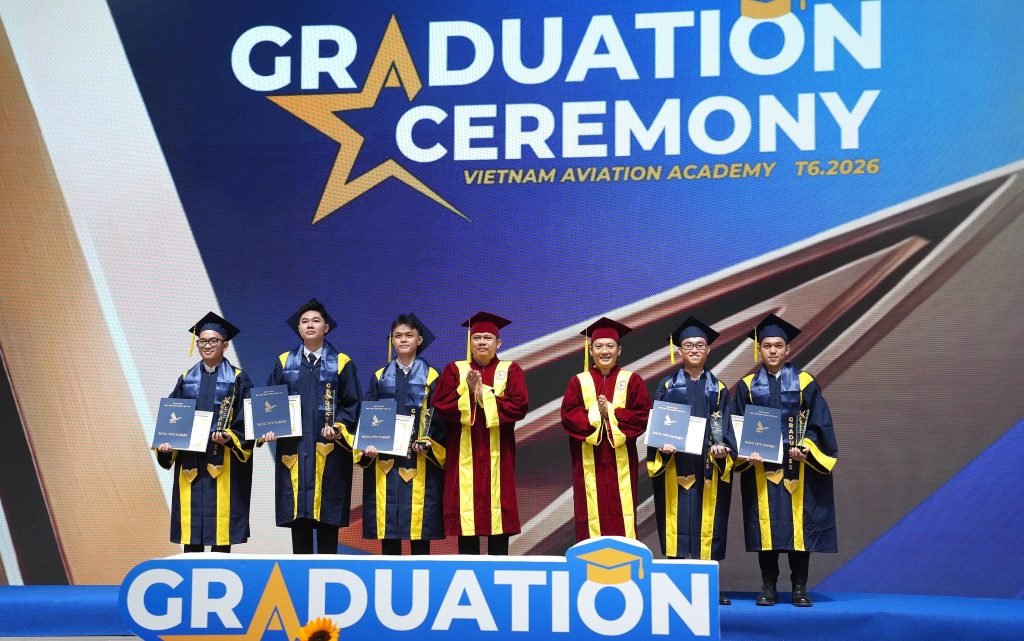
Master’s degree in Aeronautical Engineering
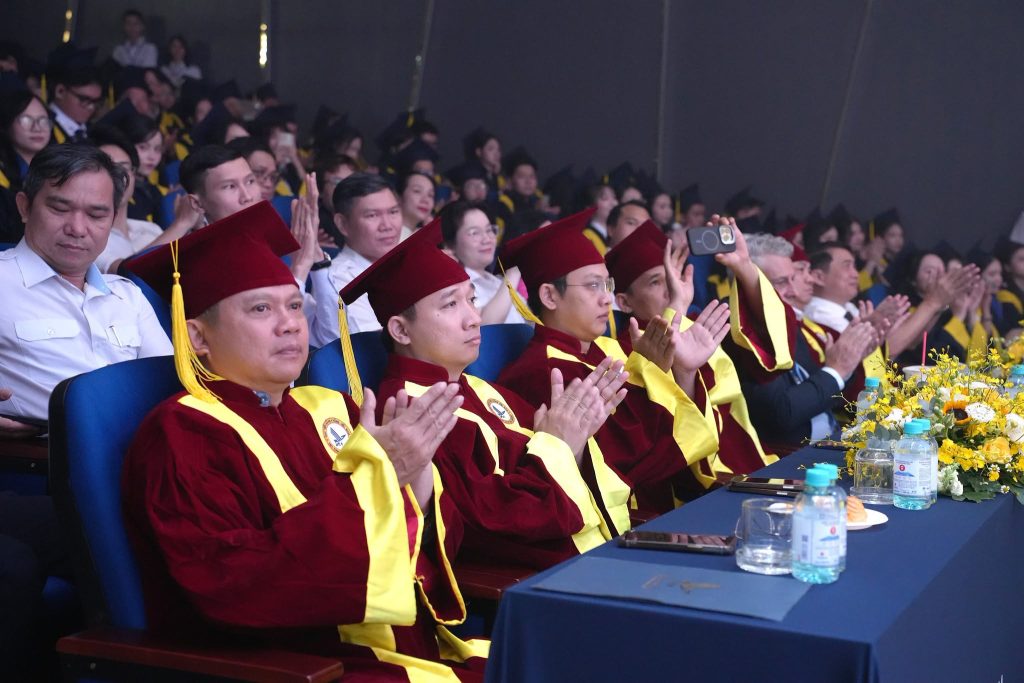
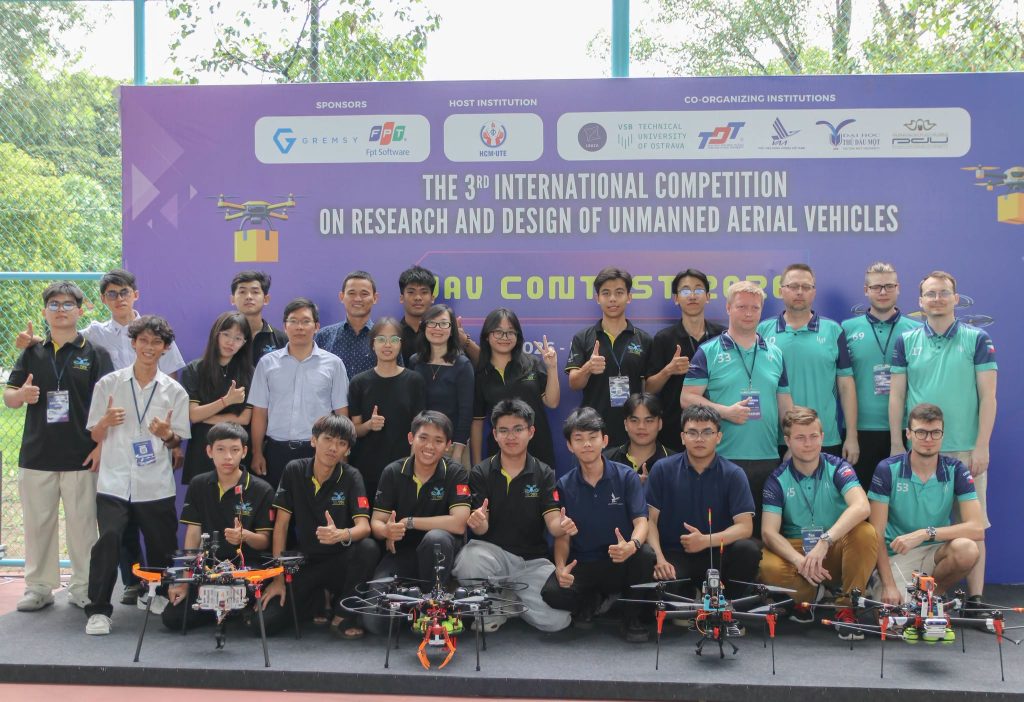
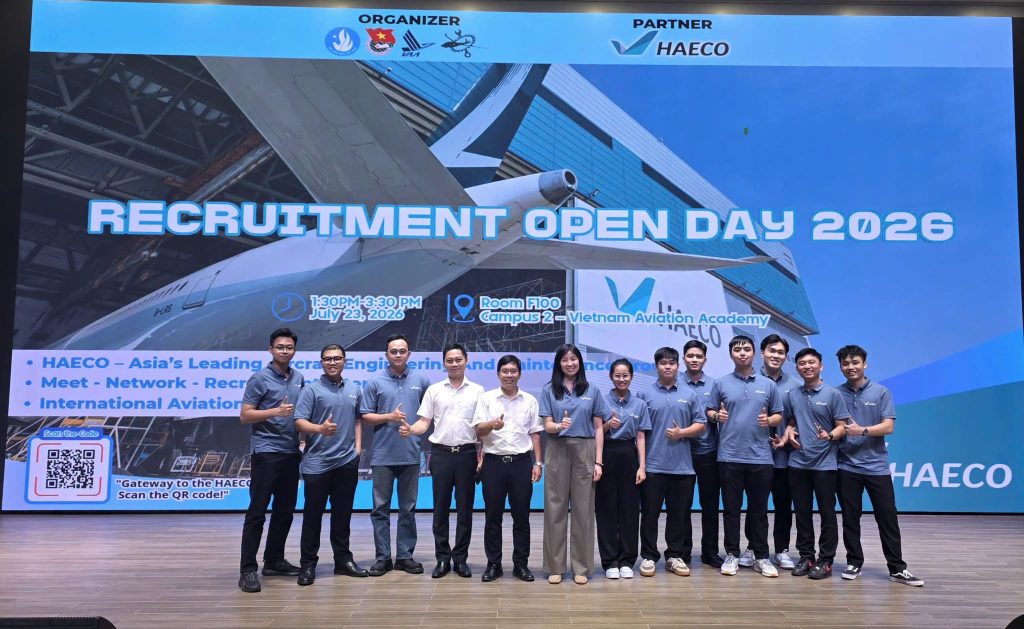
Master's Training Program in Aeronautical Engineering
General Knowledge Learning Outcomes:
-
Systematically analyze foundational scientific principles in the fields of aerodynamics, flight dynamics, and aircraft structural materials, in order to identify, explain, and link the factors affecting the efficiency of design, operation, and performance of aviation systems in modern industrial environments.
-
Identify the requirements, scope, and integration criteria to generalize theories, concepts, and interdisciplinary knowledge in aeronautical engineering, thereby building a solid foundation for academic thinking and applying it appropriately to the practical realities of Vietnam’s aviation industry, serving as a basis for research, innovation, and international integration.
-
Comprehensively evaluate advanced engineering design, analysis, and simulation methods in areas such as aerodynamics, aircraft structures, and propulsion systems, in order to select optimal solutions for research and application in modern aerospace environments.
-
Distinguish between engineering models and integrated solution frameworks for complex aviation systems, in order to assess the level of compliance with performance, safety, and technological innovation standards in the international context and the practical realities of aviation operations in Vietnam.
Personal and Professional Skills Learning Outcomes:
-
Analyze complex technical problems in the aviation field using systems thinking and critical reasoning; identify factors affecting aerodynamics, material structures, propulsion systems, and flight control; compare, evaluate, and present research and design results in both Vietnamese and specialized English in a logical and persuasive manner, meeting international academic standards.
-
Effectively collaborate within multidisciplinary (mechanical, electrical and electronics, automation, IT) and multicultural research, design, and maintenance teams; participate in managing, assigning tasks, and monitoring progress in aviation projects such as aircraft design, propulsion system improvements, or maintenance procedure implementation; resolve technical conflicts and guide teams towards achieving shared objectives.
-
Proficiently utilize specialized aviation engineering tools, software, and processes, including CFD for airflow simulation, FEM for structural stress analysis, and CAD/CAM for detailed component design; apply maintenance management systems and adhere to international standards (ICAO, EASA, FAA); engage in the design, testing, evaluation, and maintenance of aviation systems to ensure safety, performance, and reliability.
-
Optimize advanced aeronautical engineering solutions (aerodynamics, structures, propulsion systems, flight control) integrated with digital technologies (AI, Big Data, digital simulation); strictly comply with safety standards and professional ethics as required by ICAO/EASA/FAA, demonstrating a strong sense of responsibility and a commitment to the sustainable development of the aviation industry.
Autonomy and Responsibility Learning Outcomes:
-
Effectively organize the learning, research, and technical development process in the aviation field, demonstrating autonomy in making professional decisions, as well as responsibility for work outcomes in industrial and in-depth research environments.
-
Integrate critical thinking, professional ethics, and adaptive skills into the process of solving complex technical problems in the aviation industry, demonstrating personal integrity, a sense of responsibility, and a readiness to contribute to sustainable development in multicultural environments.
Program Structure:
Total credits of the training program: 60 credits
In which:
| Category | Credits | Proportion |
|---|---|---|
| Compulsory general knowledge | 06 | 10% |
| Elective general knowledge | 06 | 10% |
| Foundation knowledge (core program foundation) | 09 | 15% |
| Compulsory specialized knowledge | 18 | 30% |
| Elective specialized knowledge | 12 | 20% |
| Master’s project (Thesis/Project) | 09 | 15% |
| Total | 60 | 100% |
Master’s Training Program in Aeronautical Engineering: View details [here].
Remarks on the application dossier for opening the Master’s Program in Aeronautical Engineering: View details [here].
Faculty of Aeronautical Engineering Website: www.fae.vaa.edu.vn