

LUCET 2026 SCIENTIFIC CONFERENCE: AN ACADEMIC FORUM ON LANGUAGE, CULTURE, AND EDUCATION IN THE NEW ERA
On the morning of July 26, 2026, the Faculty of Foreign Languages – Vietnam Aviation Academy (VAA) organized the LUCET 2026 Scientific Conference under the theme “Linguistics and Universal Cultural Evolution in the Era of Total Transformation.” The conference brought together lecturers, researchers, guests, postgraduate and undergraduate students from various educational institutions, providing an academic forum for discussing emerging issues in linguistics, culture, and foreign language education.
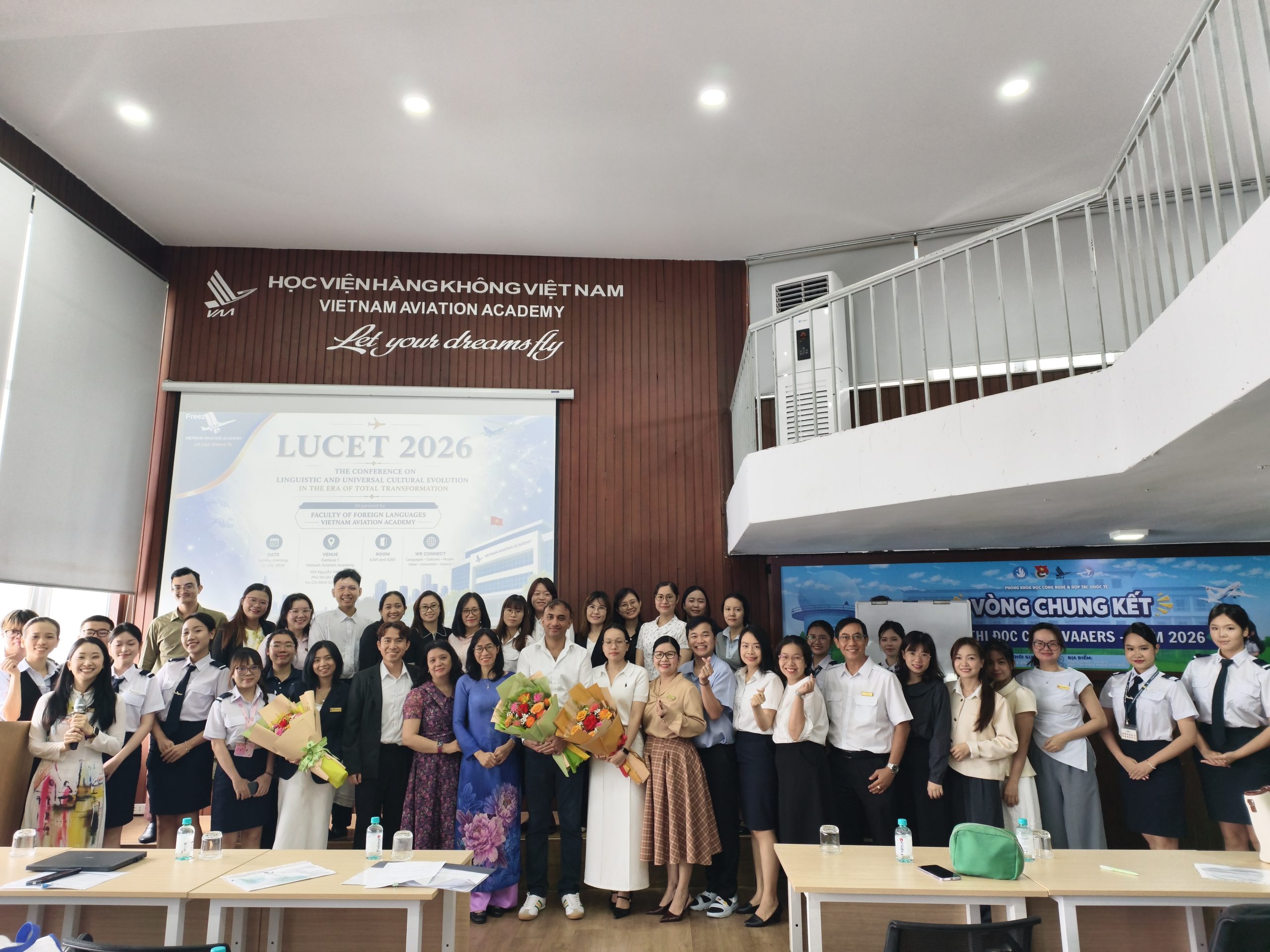
The LUCET 2026 Scientific Conference was coordinated by M.A. Nguyen Ngoc Minh Thu – Head of the Steering Committee and Dr. Pham Ngoc Truong Linh – Head of the Conference Program Editorial Committee, in collaboration with the organizing team from the Faculty of Foreign Languages. The conference featured plenary and thematic sessions focusing on current research directions in foreign language teaching, artificial intelligence (AI), digital transformation, and education in the changing landscape.
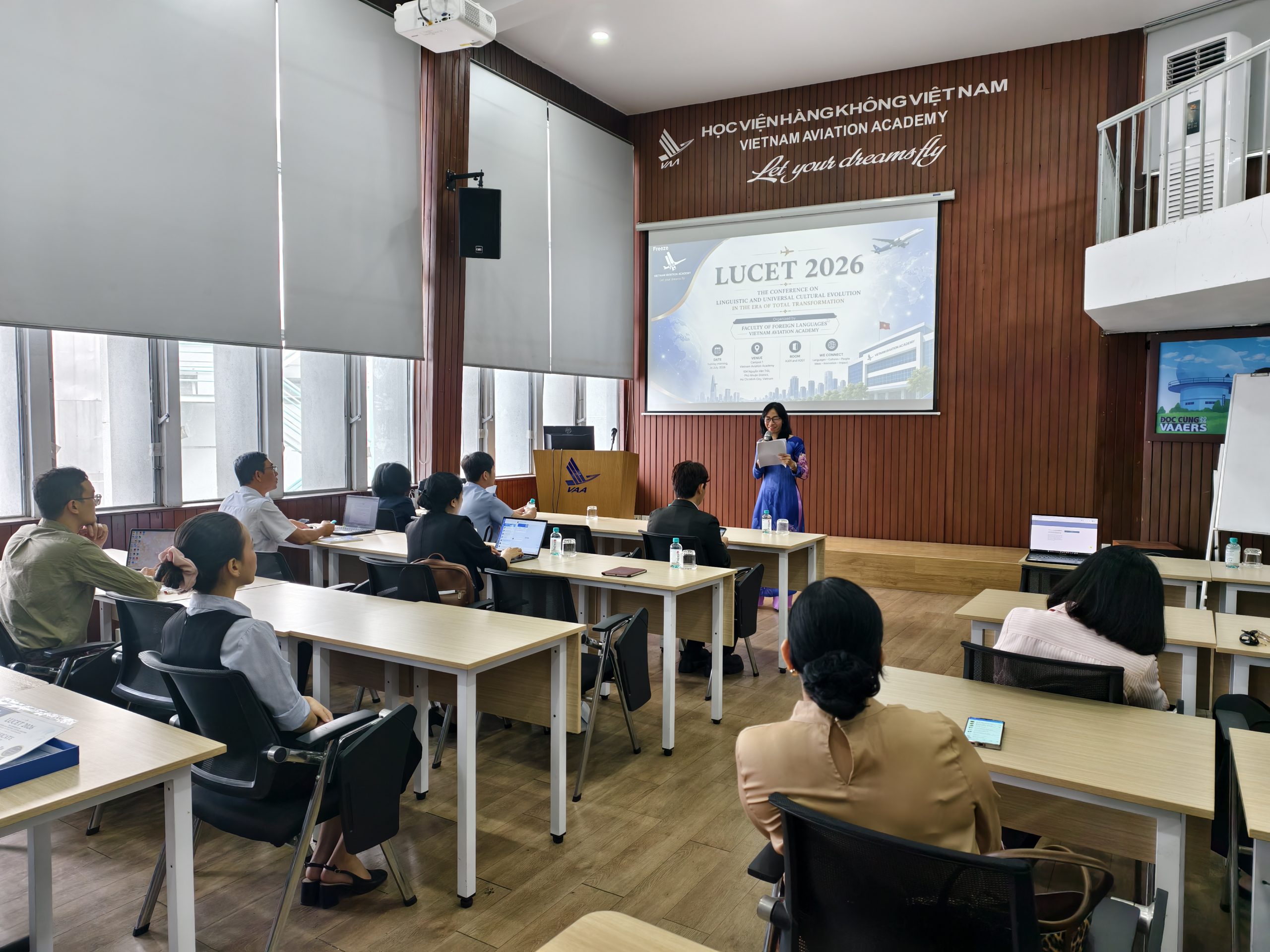
The conference opened with a Plenary Session, featuring presentations on innovative teaching approaches, language research, and the impact of technology on education.
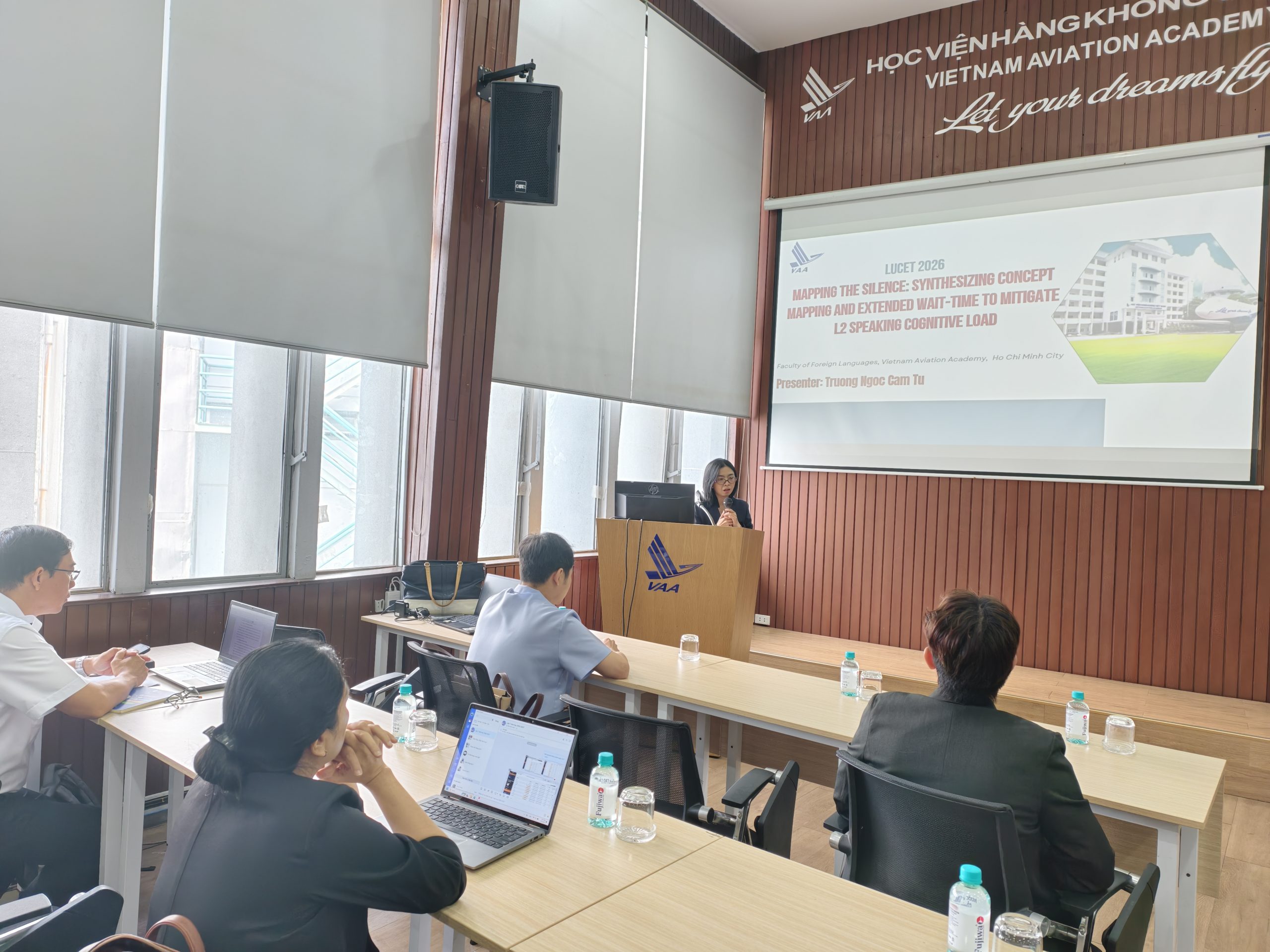
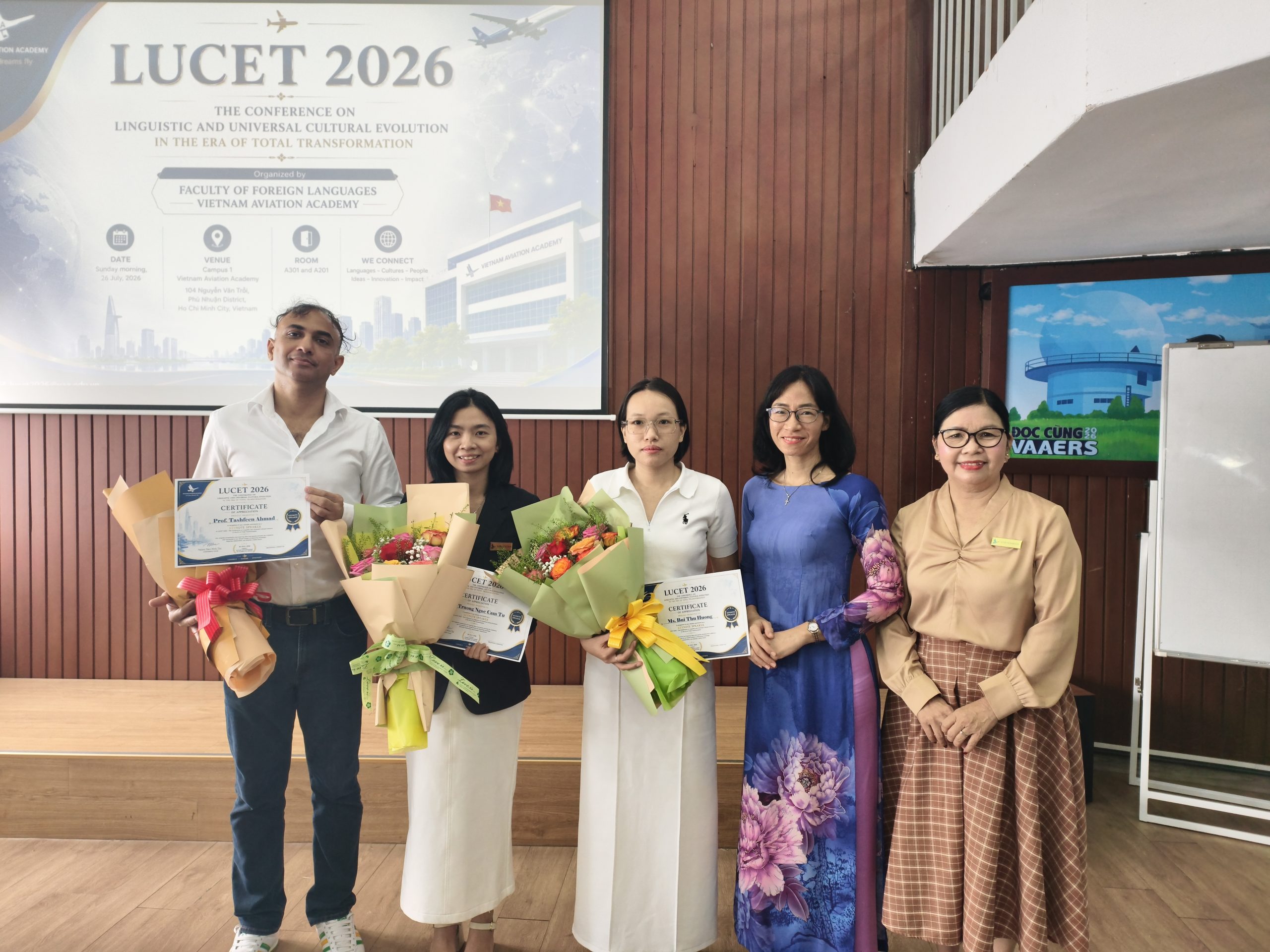
Ms. Truong Ngoc Cam Tu presented her study, “Mapping the Silence: Synthesizing Concept Mapping and Extended Wait-time to Mitigate L2 Speaking Cognitive Load,” which explored the integration of concept mapping and extended wait-time techniques to reduce cognitive load in foreign language speaking development.
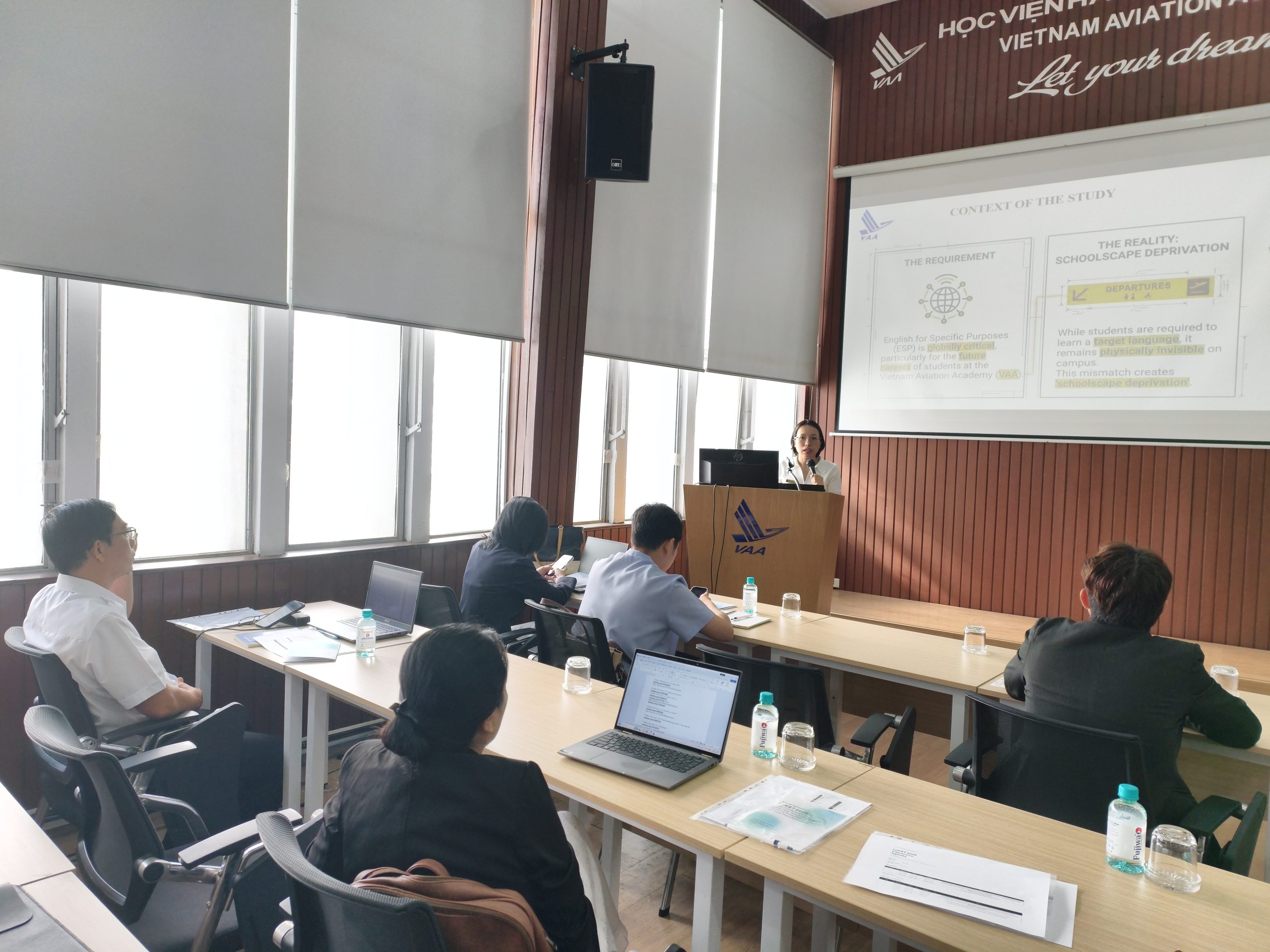
Following this, Ms. Bui Thu Huong presented her research, “Institutional Schoolscape, Language Learning Efficacy, and ESP Learning Outcomes: Evidence from a Structural Equation Model in Vietnam Aviation Academy,” examining the relationship between the linguistic environment within an educational institution, language learning efficacy, and English for Specific Purposes (ESP) learning outcomes at Vietnam Aviation Academy.
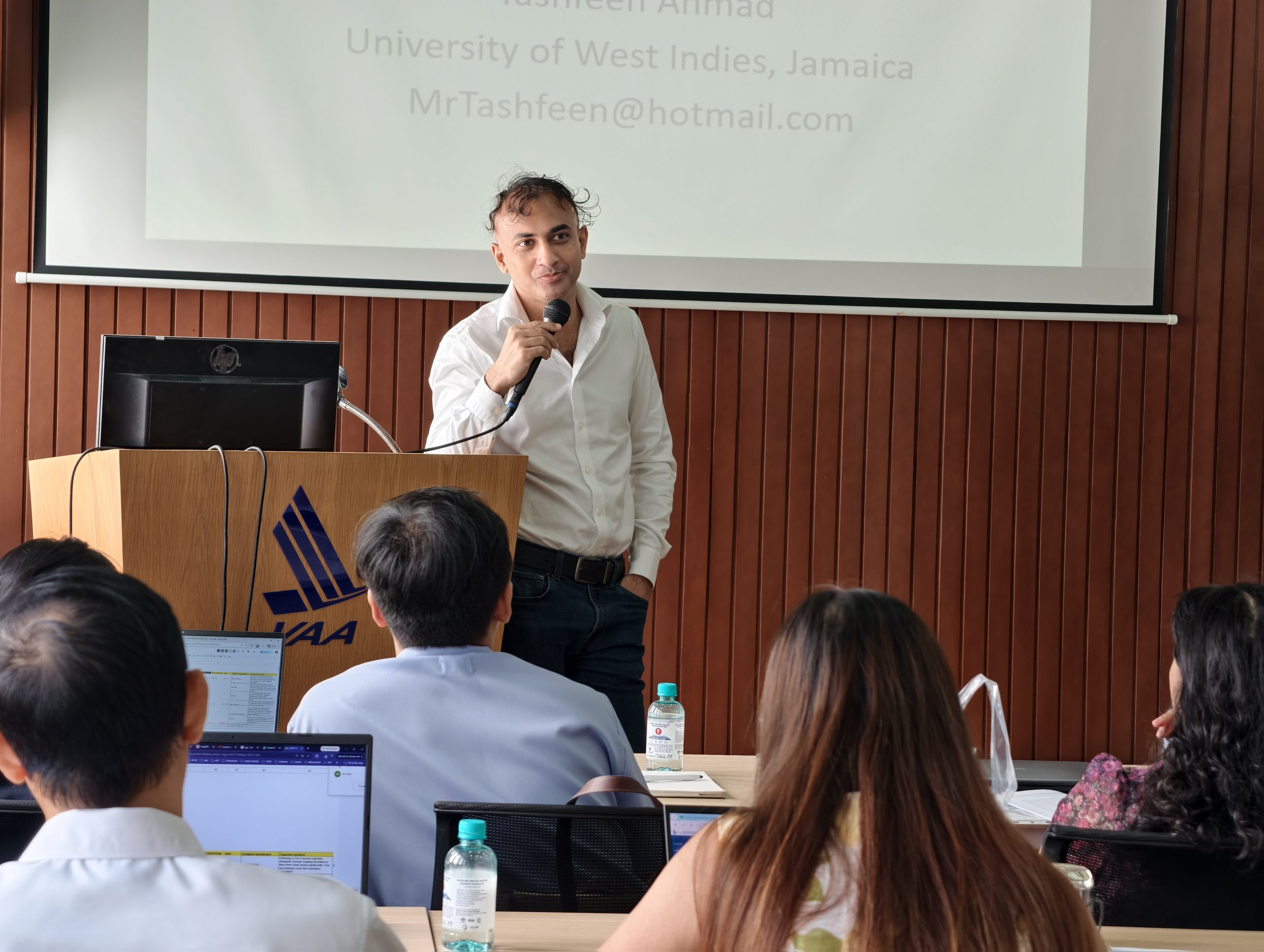
Professor Tashfeen Ahmad delivered the presentation “AI and the Future of Work: Rethinking Graduate Readiness,” addressing the impact of artificial intelligence on the future of work and the competencies graduates will need, with an emphasis on self-directed learning, entrepreneurial thinking, and adaptability to changes in the professional environment.
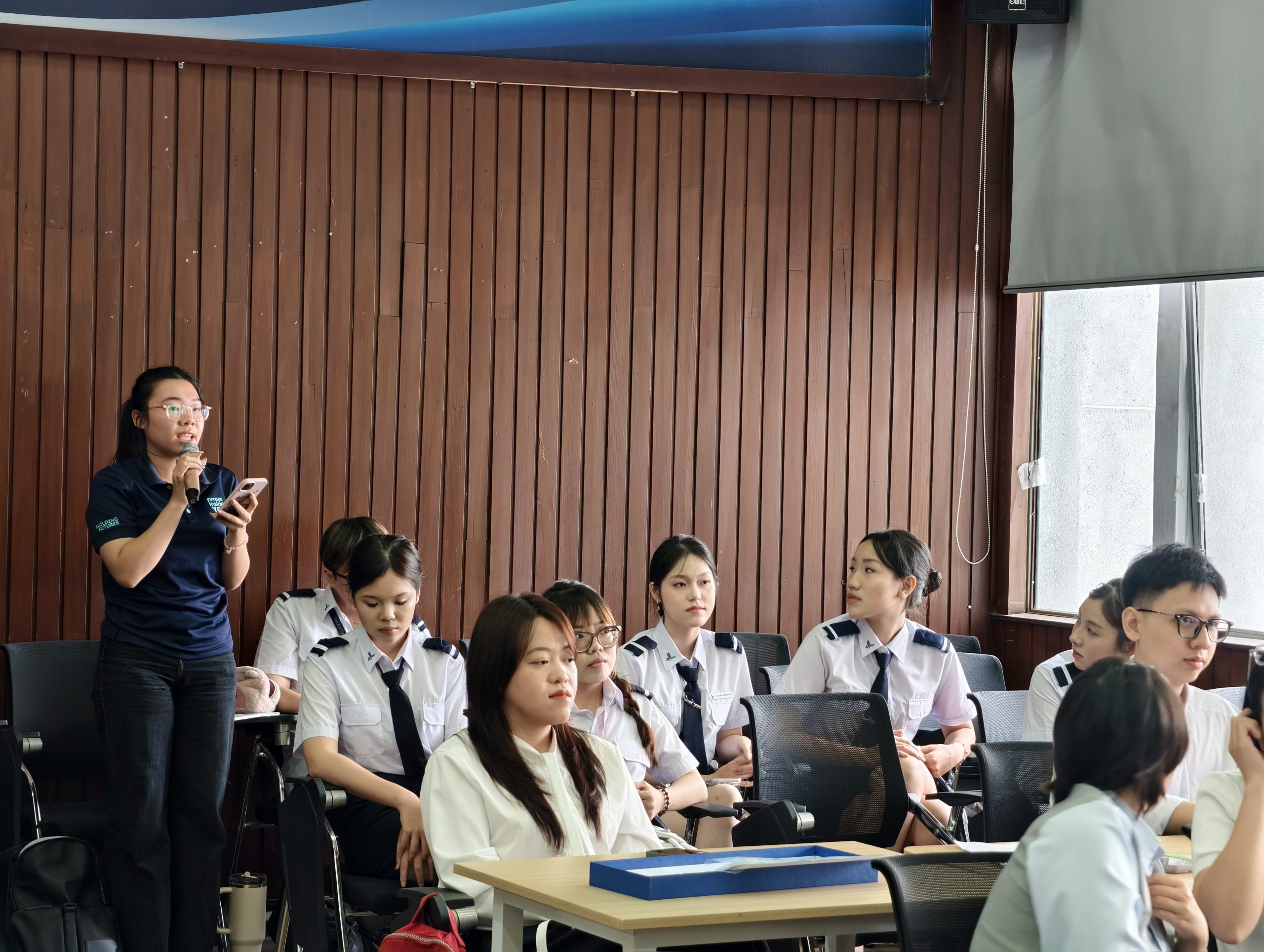
Following the presentations, the discussion sessions featured questions and exchanges on the application of research findings to teaching practice, research methodologies across different educational contexts, and the role of AI in foreign language education.
The plenary session was followed by two thematic sessions, featuring research on current issues and emerging trends in foreign language teaching and research.

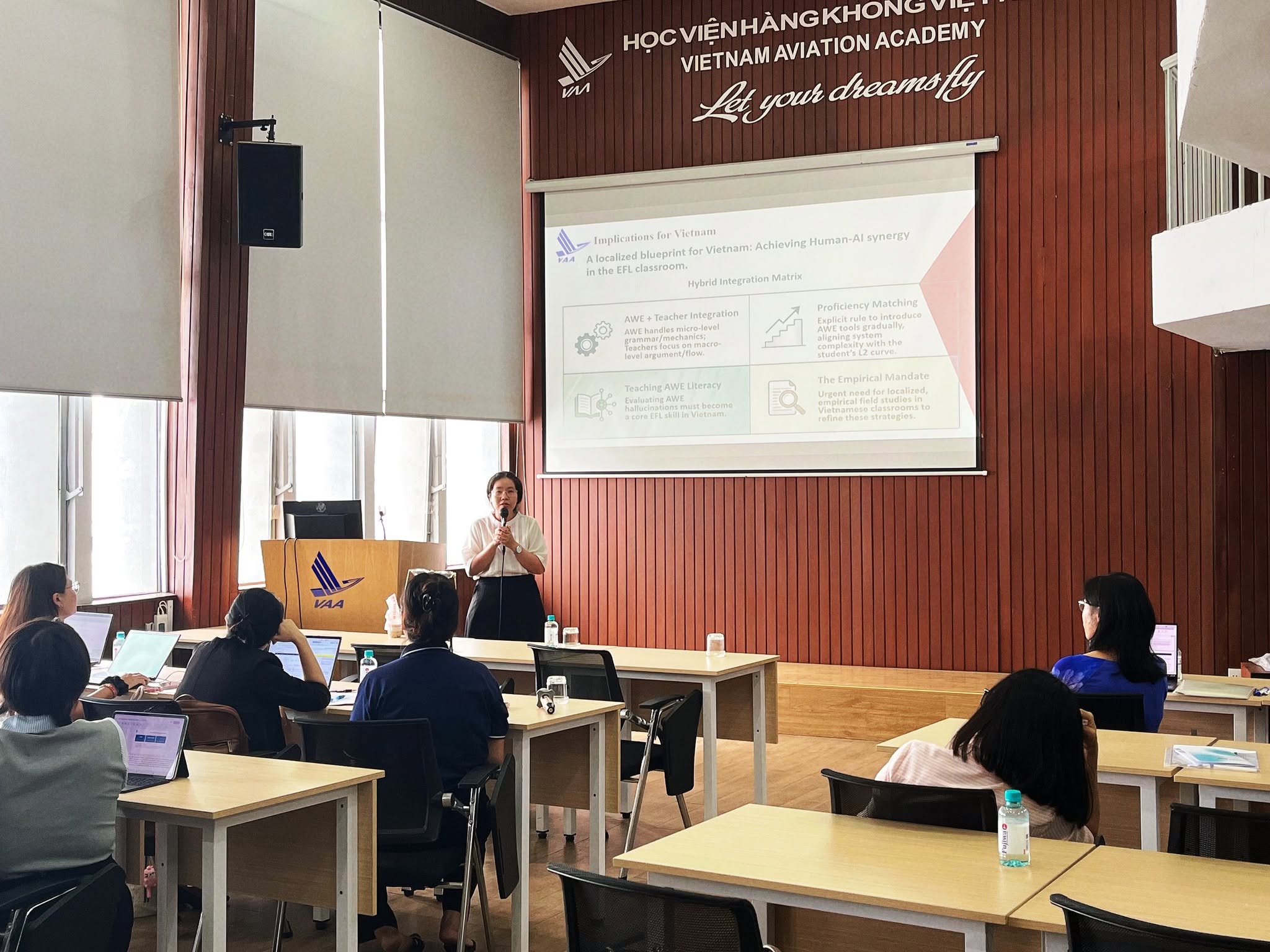
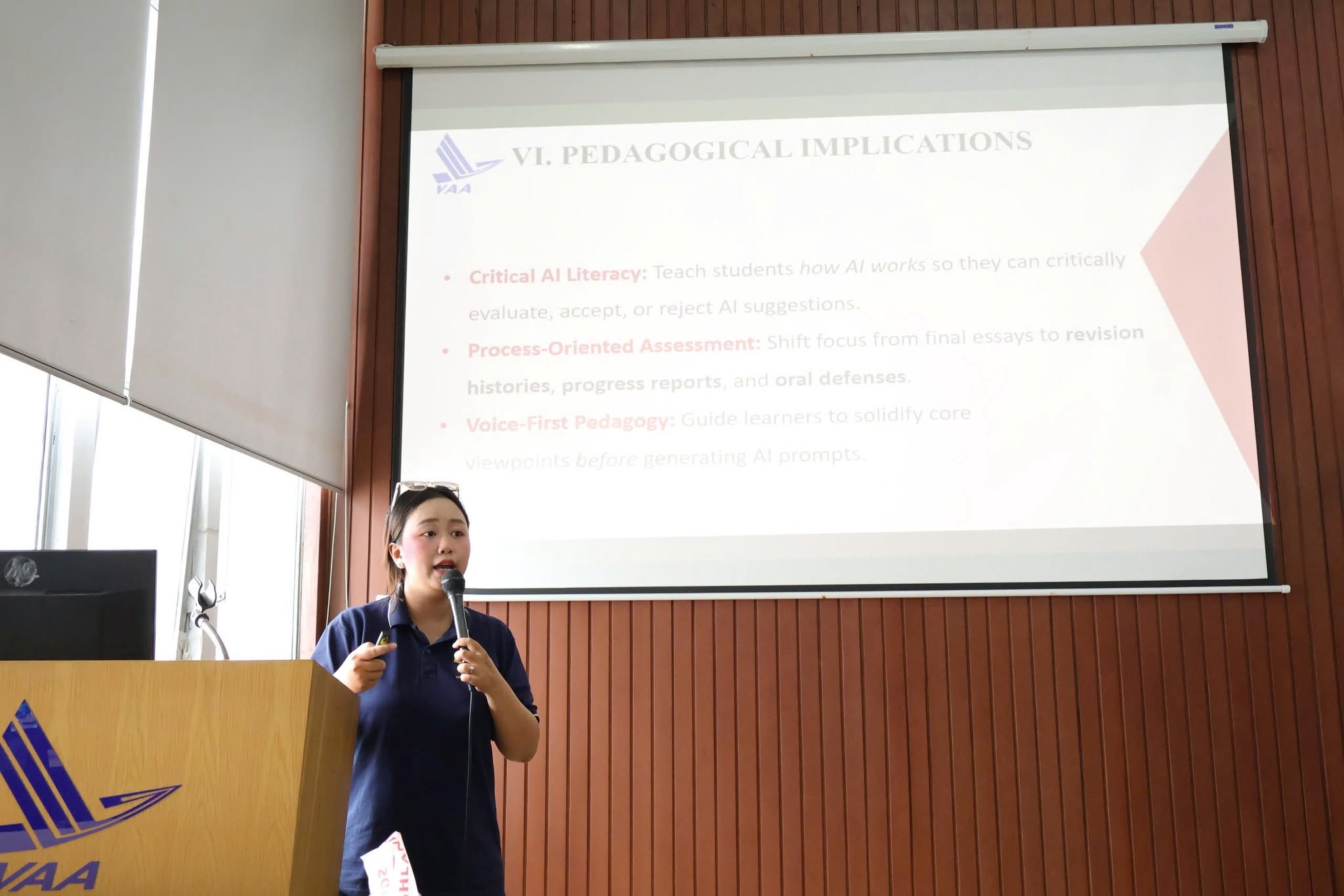

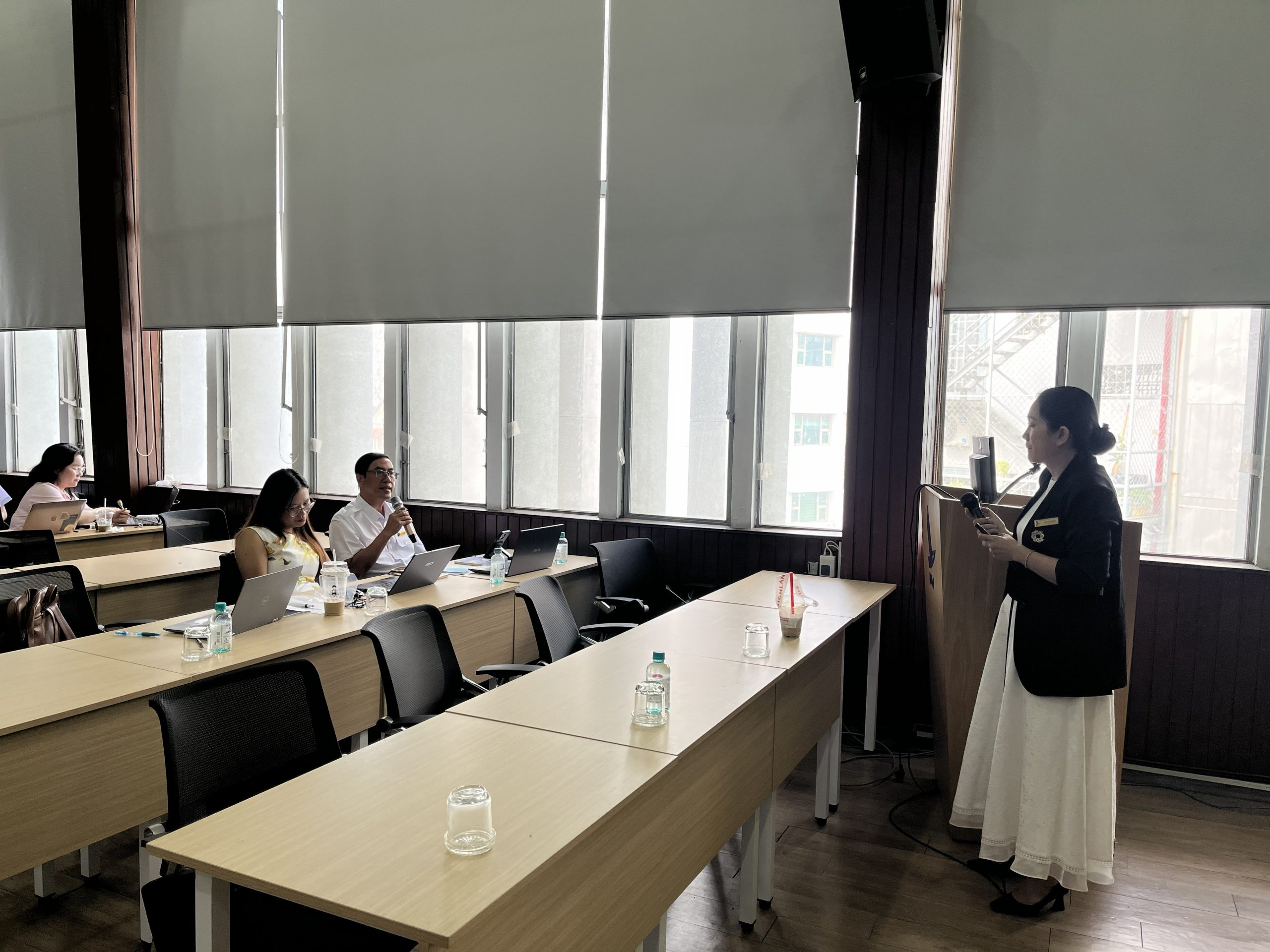
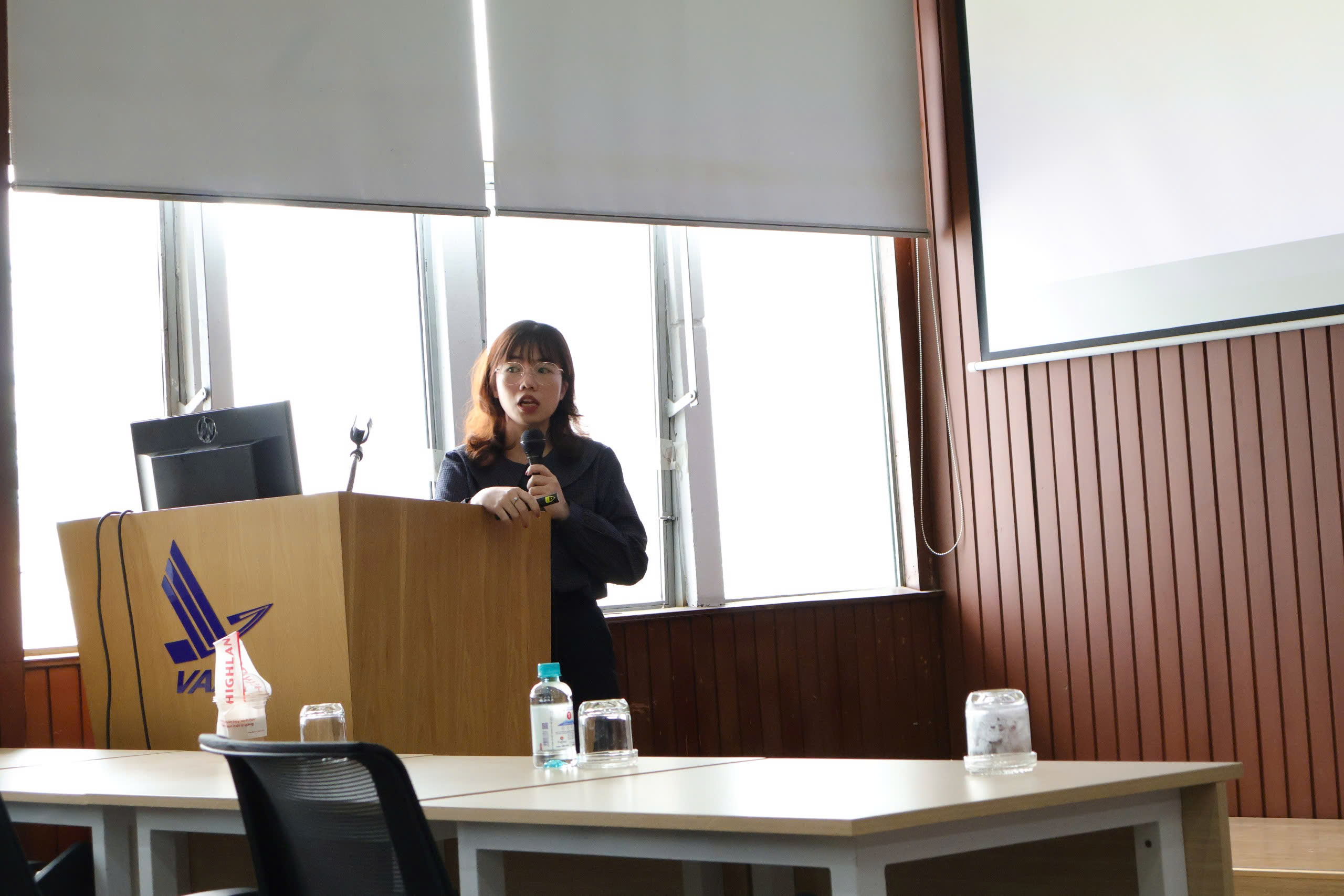
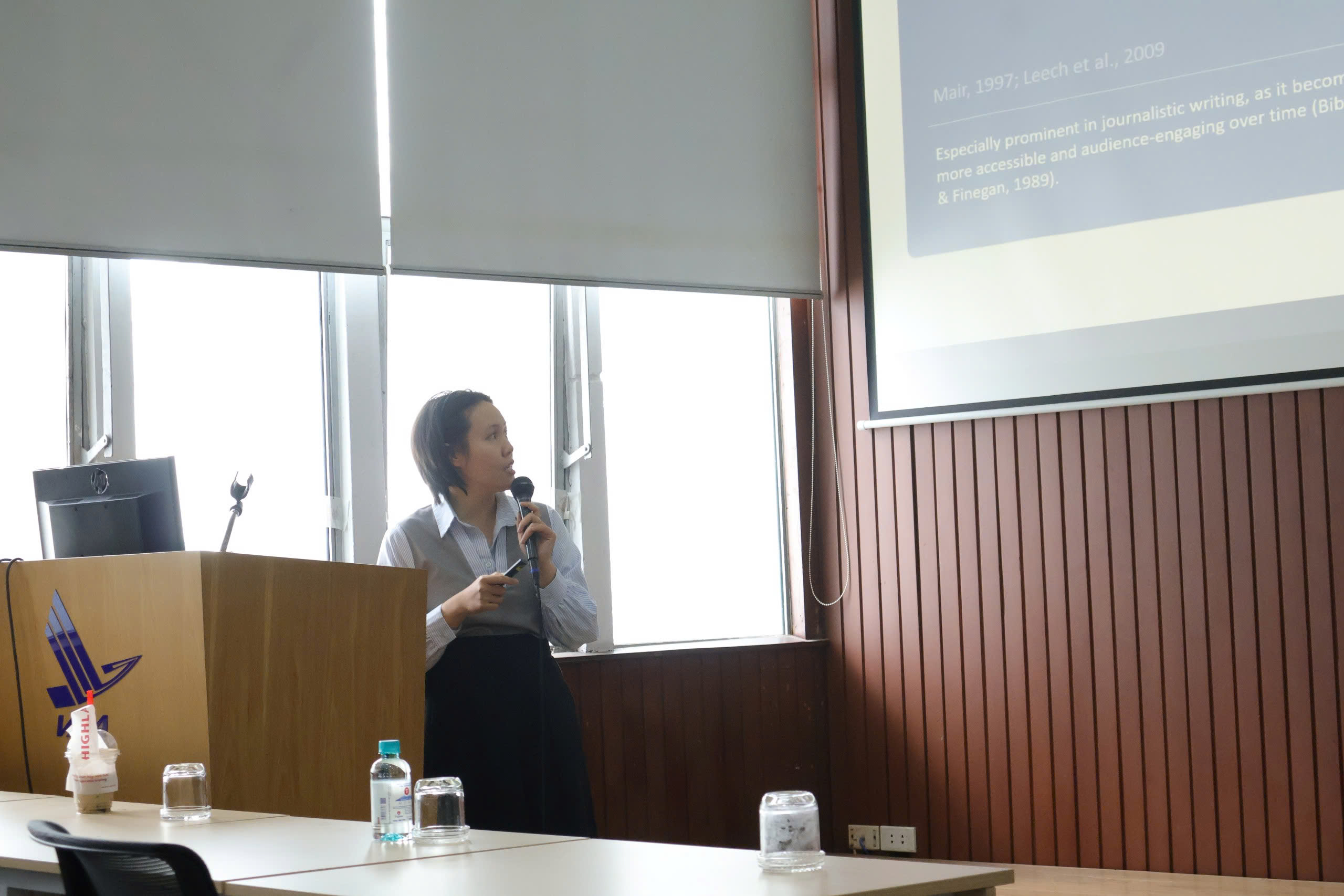
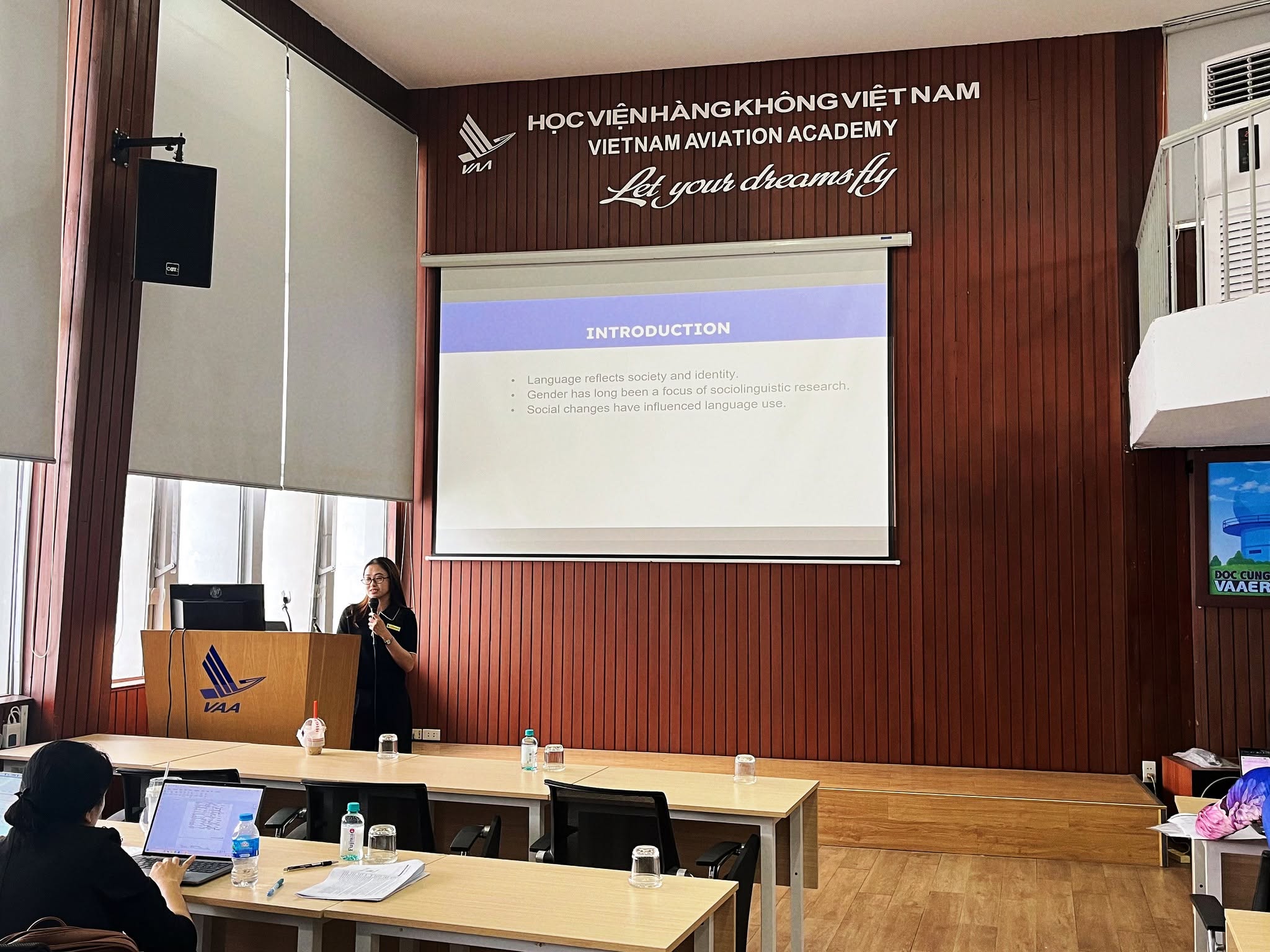
Thematic Session 1 featured presentations by Ms. Hoang Kim Mai Khoi, Ms. Le Dinh Ha My, Ms. Phan Tu Trinh, Ms. Vo Thi Thu, Ms. Bui Thu Huong, Ms. Nguyen Thi Huong Lan, Ms. Nguyen Tran Huong Quynh, and Ms. Hoang Thi Quynh Nhu. The studies focused on the application of AI in academic writing, the development of learner autonomy, the role of AI in writing assessment, corpus research, and issues in sociolinguistics.
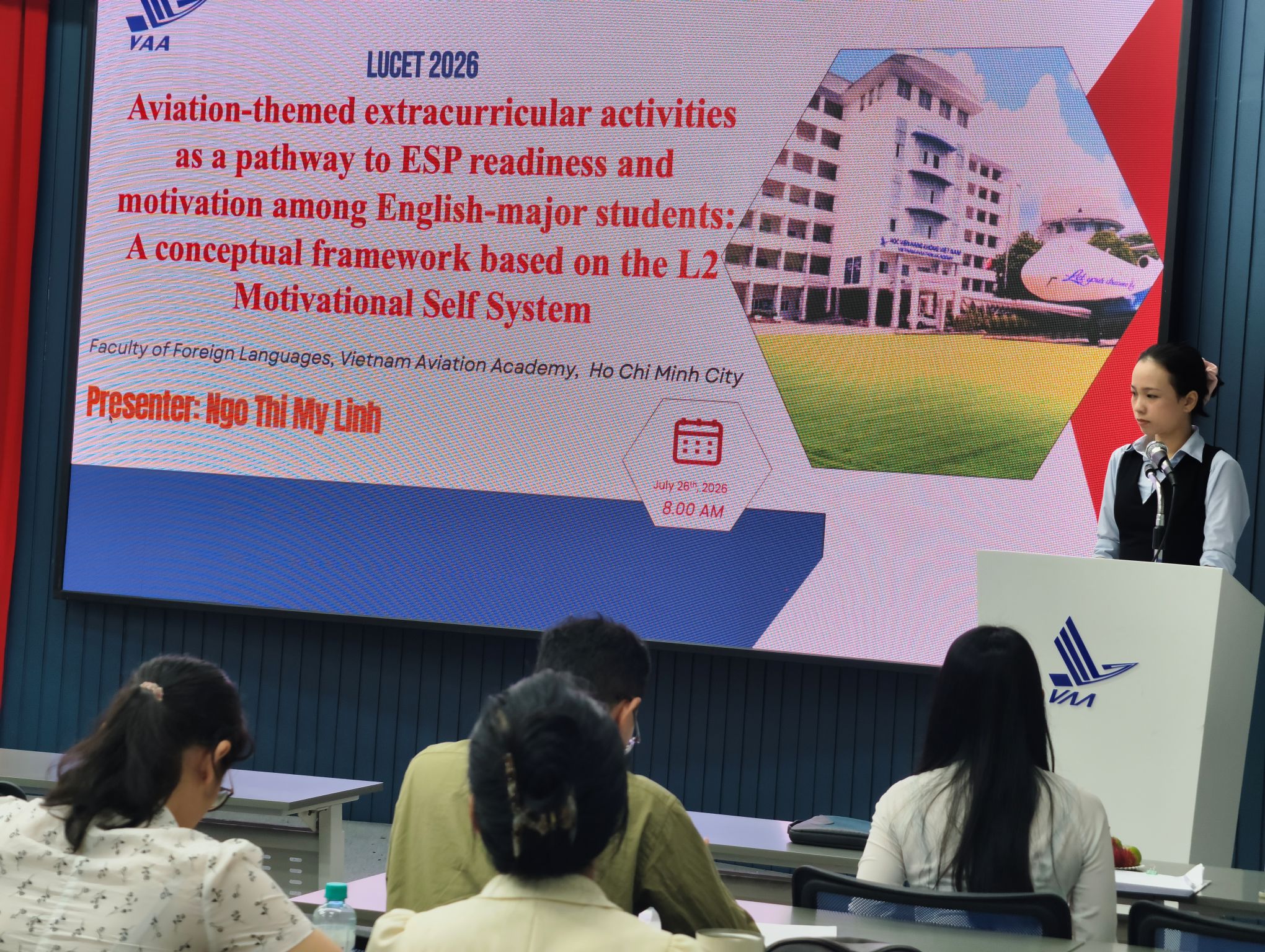
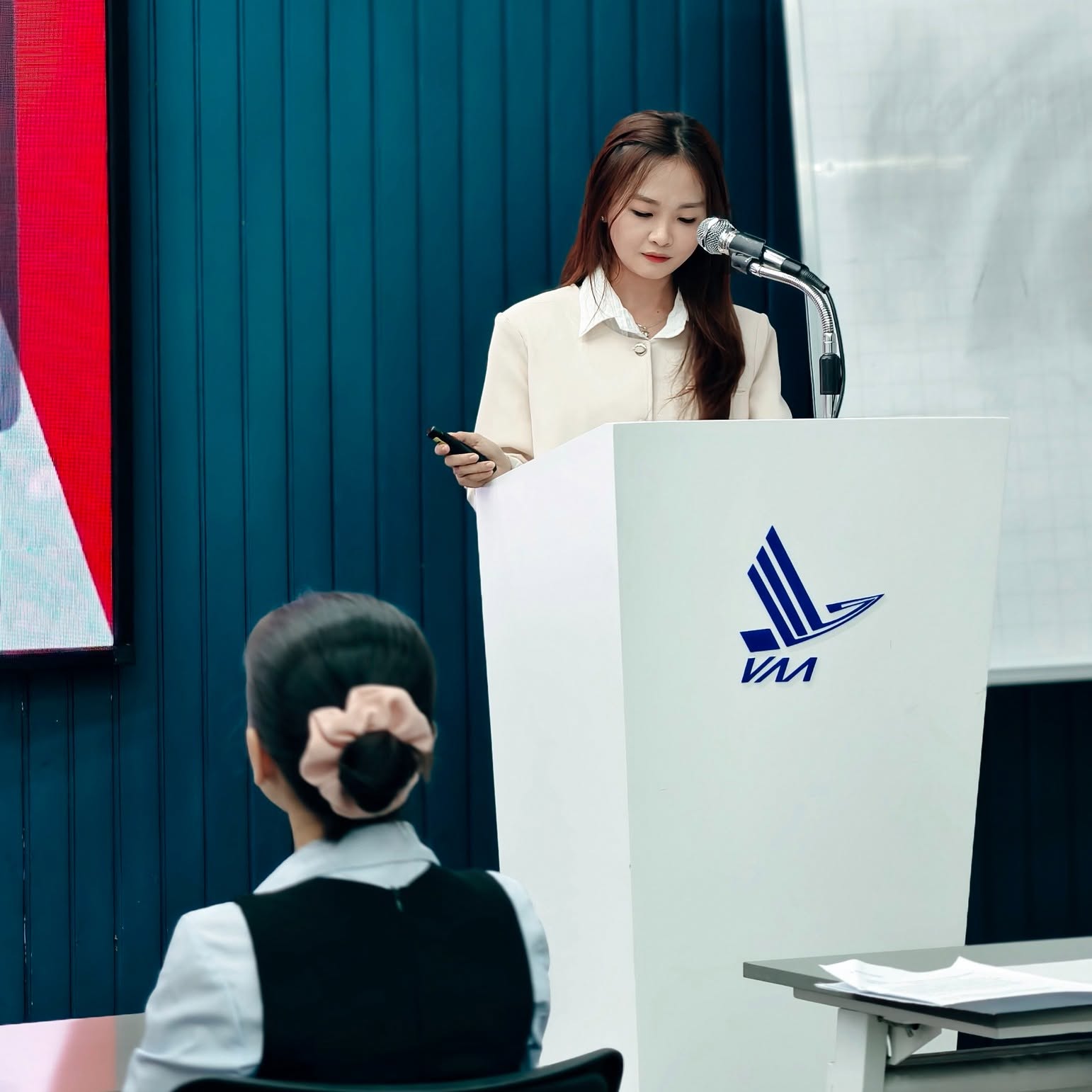
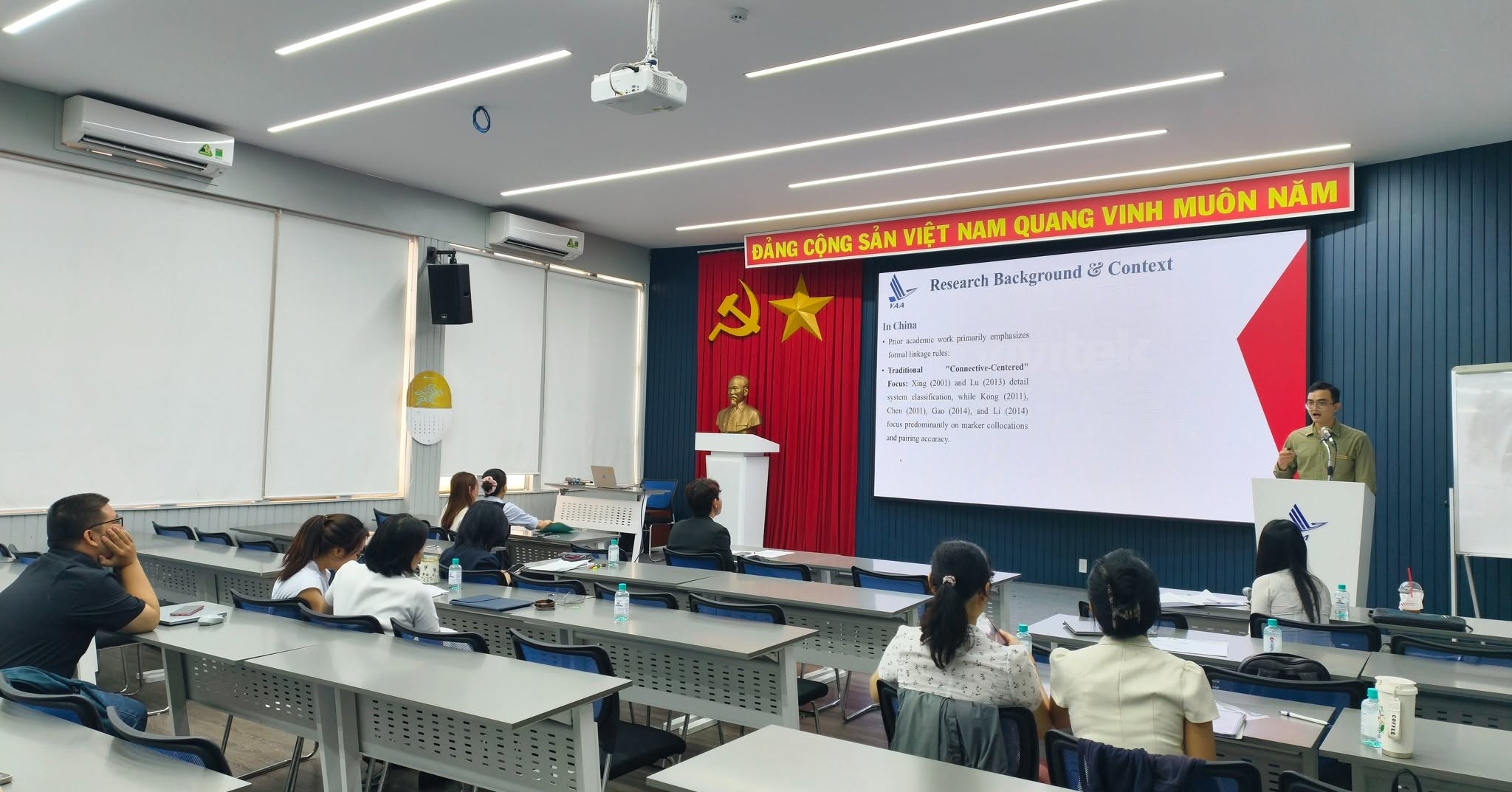
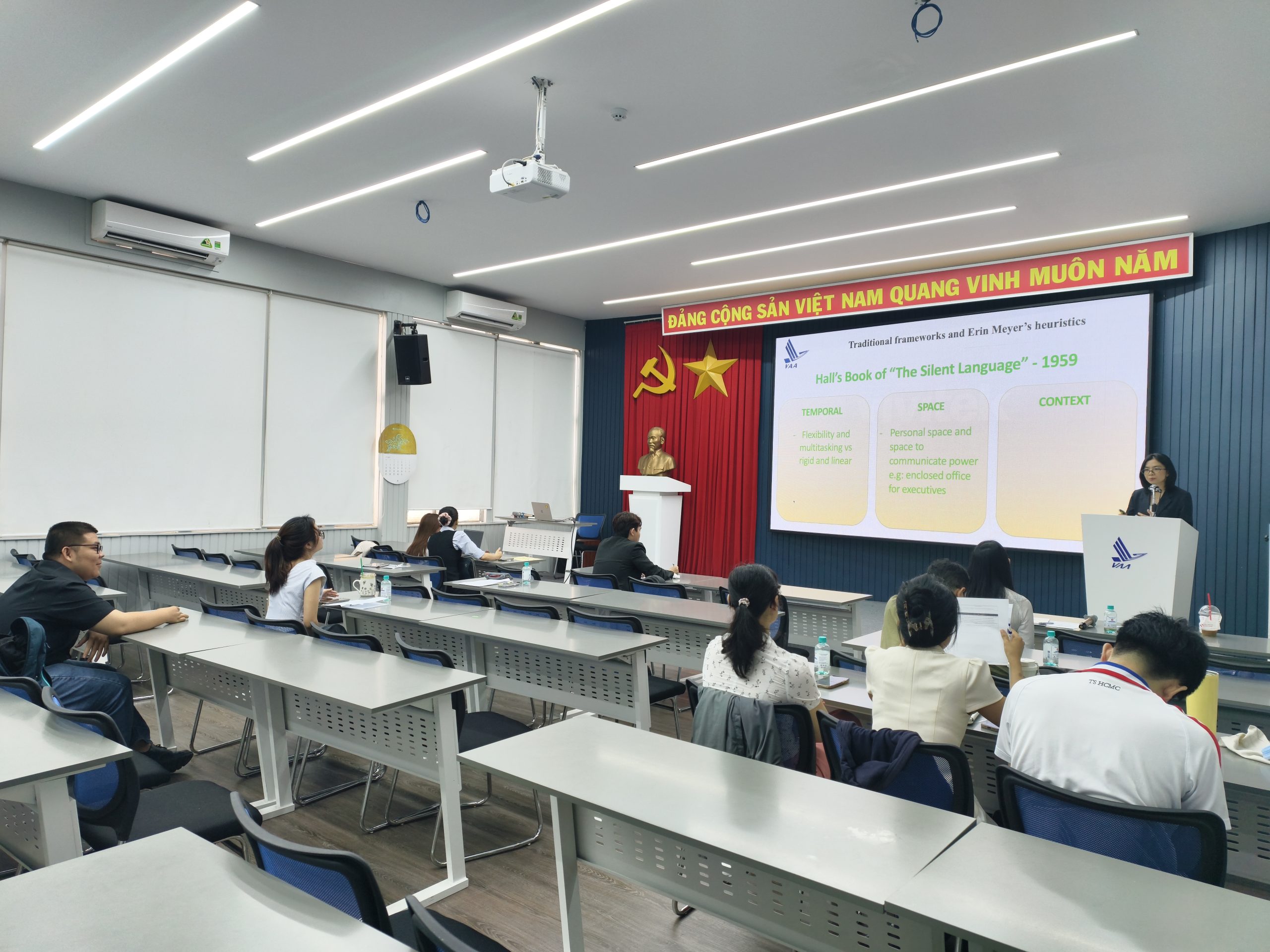
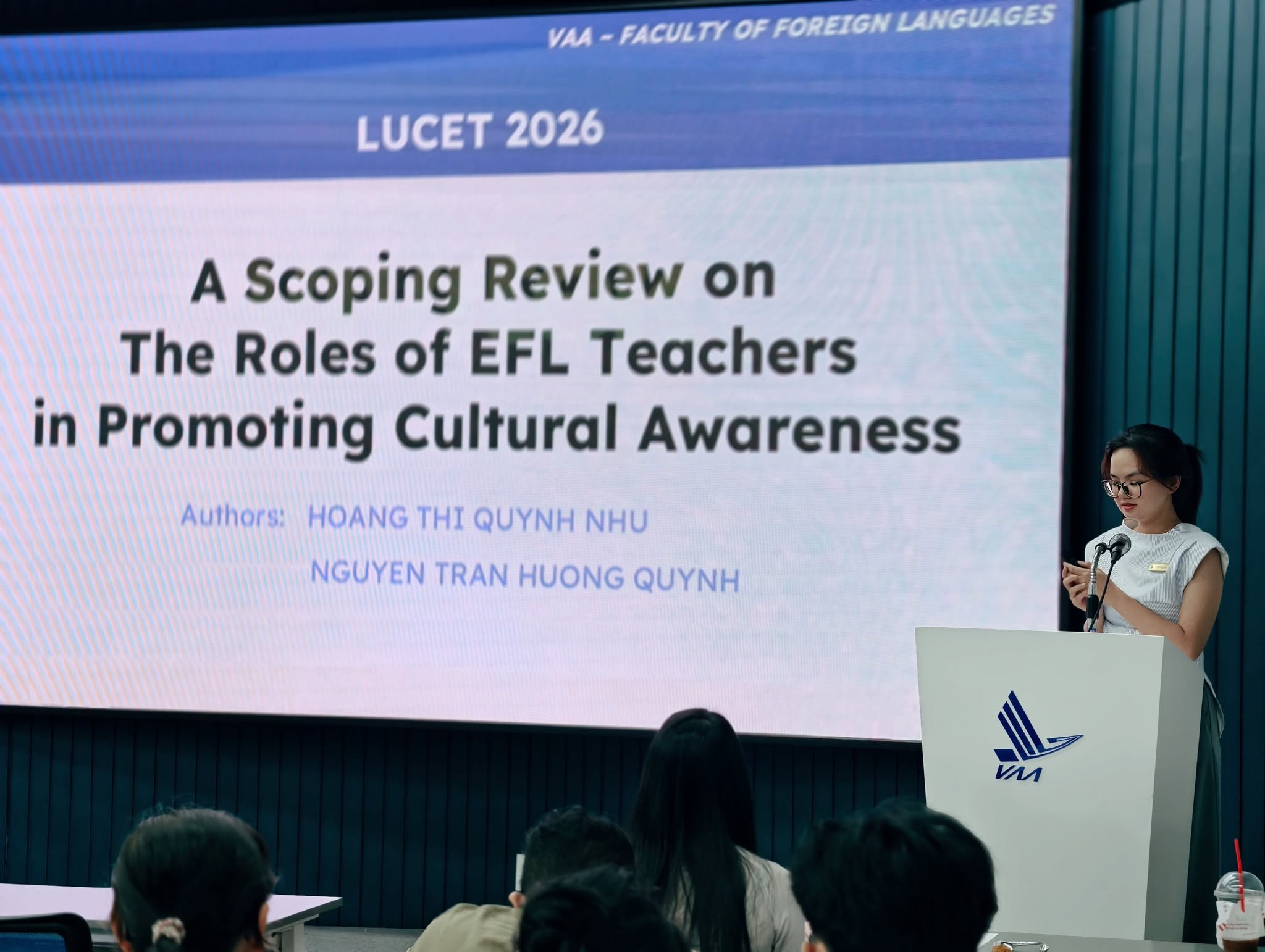
Thematic Session 2, with presentations by Ms. Ngo Thi My Linh, Ms. Nguyen Thi Thanh Nhi, Mr. Ho Trung Nguyen, Ms. Phan Thi Thuc, Ms. Truong Ngoc Cam Tu, and Ms. Hoang Thi Quynh Nhu, addressed topics including English for Specific Purposes (ESP) teaching, translation practice in the context of AI, Chinese grammar instruction, the use of technology in language skill development, intercultural communication, and the role of lecturers in fostering learners’ cultural awareness.
The discussions following the presentations provided opportunities for lecturers, researchers, guests, and students to exchange views, engage in academic discussion, and share practical experiences. These exchanges allowed research topics to be examined from different perspectives while opening up new directions for research and practical applications in foreign language teaching.
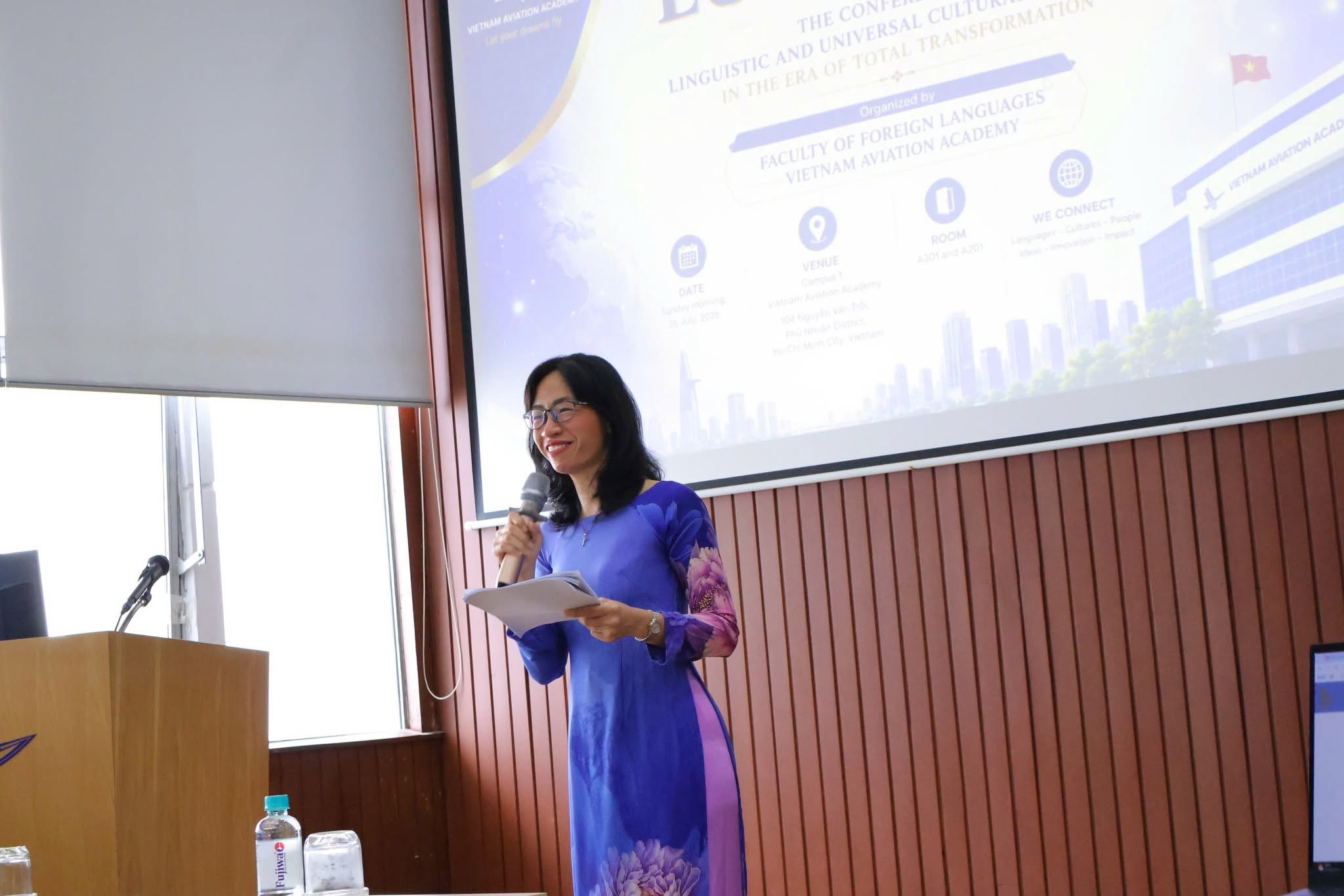
In her closing remarks, Ms. Nguyen Ngoc Minh Thu – Head of the Faculty of Foreign Languages, acknowledged the contributions of the speakers, researchers, and delegates and highlighted the Faculty’s direction of developing LUCET into an annual academic forum.
The LUCET 2026 Scientific Conference provided a platform for connecting research with teaching practice, promoting academic exchange and research collaboration in linguistics, culture, and foreign language education. The conference also contributed to advancing scientific research and innovation at the Faculty of Foreign Languages – Vietnam Aviation Academy.
Source: Faculty of Foreign Languages


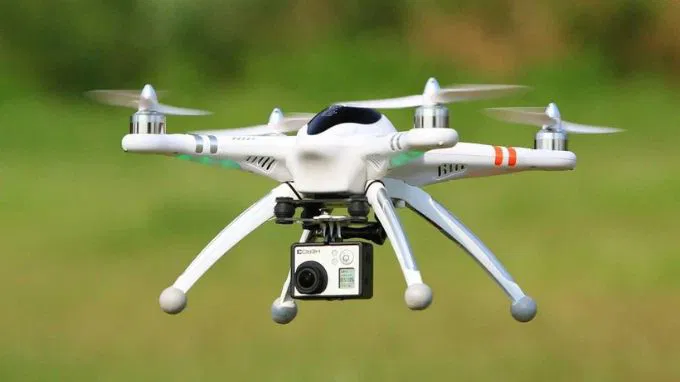
What is a UAV? What is a drone? What is the difference between UAV and drone?


Vietnam Aviation Academy compiled national standards on ground radio navigation aid systems
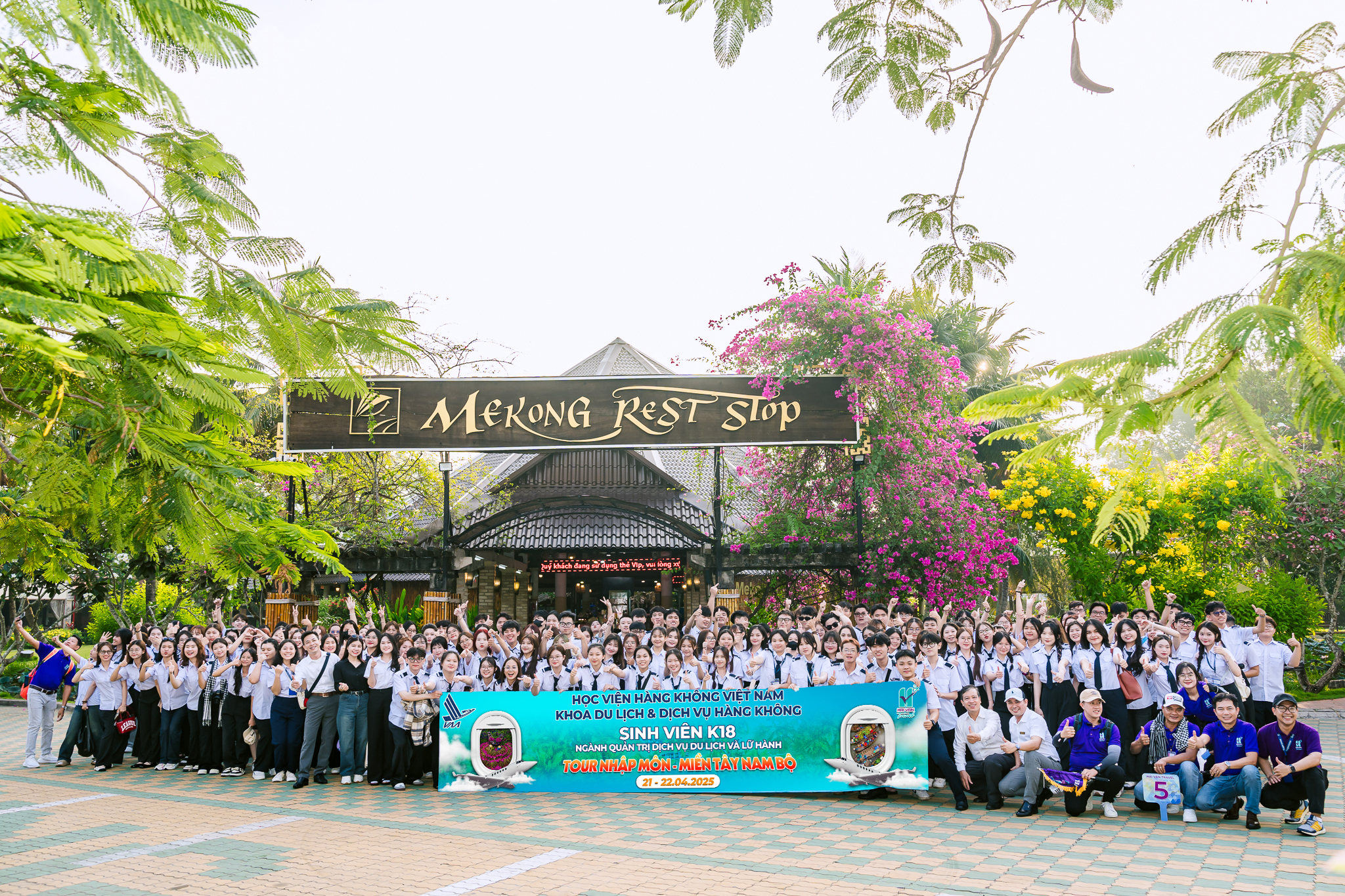
EXPLORING THE MEKONG DELTA: A TWO-DAY ONE-NIGHT JOURNEY
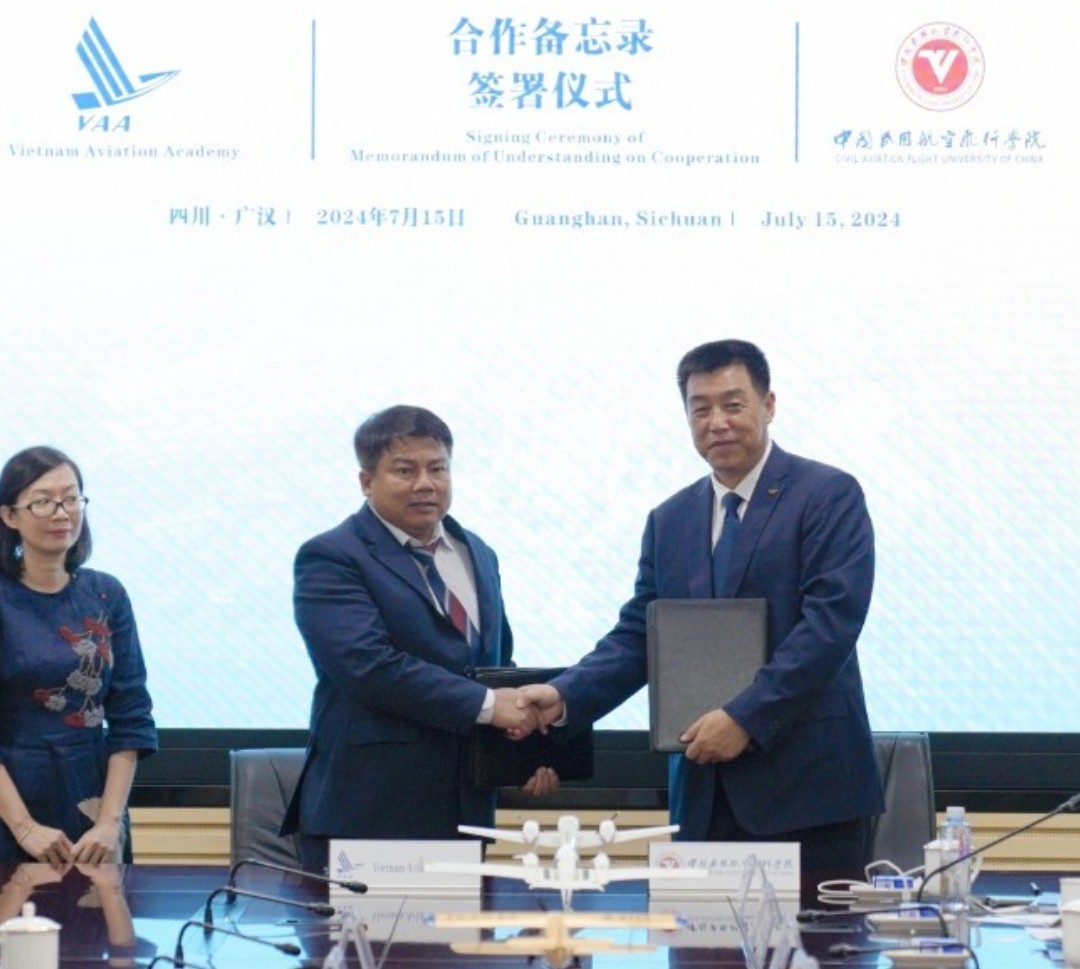
VIETNAM AVIATION ACADEMY HAS SIGNED A COOPERATION AGREEMENT WITH CIVIL AVIATION FLIGHT UNIVERSITY OF CHINA

The Impact of Artificial Intelligence on the Global Economy: An Ongoing Revolution

Degree verification
Check now